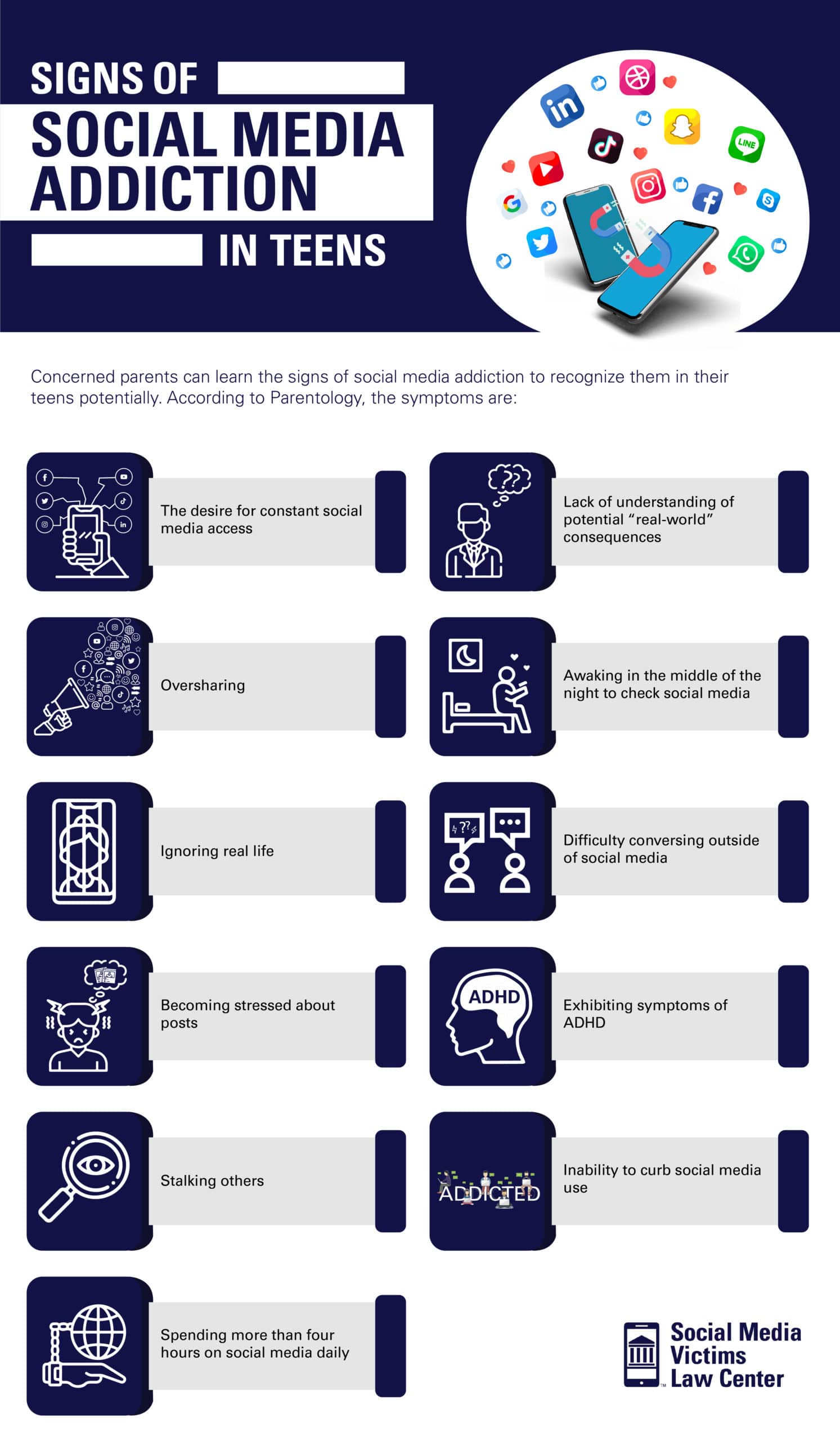
Big Tech just lost its invincibility. For years, companies like Meta and Alphabet operated under a convenient legal shield, claiming they weren't responsible for what happens to the millions of teenagers scrolling through their apps. That era ended on March 25, 2026. A Los Angeles jury found both Meta and Google's YouTube liable for the mental health harms caused by their "addictive" designs.
This isn't just another slap on the wrist or a minor fine. It’s a fundamental shift in how we treat social media in a court of law. If you've ever watched your child struggle to put down a phone, or felt that frantic "one more video" pull yourself, you know this isn't about content. It’s about the machine itself.
The Strategy That Finally Cracked the Silicon Valley Shield
Historically, tech giants hid behind Section 230 of the Communications Decency Act. This law basically says platforms aren't responsible for the things users post. If someone posts something harmful, you sue the poster, not the platform.
But the legal team for the plaintiff—a 20-year-old woman identified as K.G.M.—didn't go after the content. They went after the product design. They argued that features like infinite scroll, autoplay, and push notifications are "defective products" designed to exploit the developing brains of children.
The jury agreed. By focusing on the mechanics of addiction rather than the words on the screen, the plaintiffs bypassed the usual legal hurdles. The jury found that Meta and YouTube were negligent. They failed to warn users about the dangers of their own products.
Specific Evidence That Moved the Jury
The trial wasn't just about feelings; it was about internal documents that showed these companies knew exactly what they were doing. Jurors heard testimony from whistleblowers and even Mark Zuckerberg himself. One juror mentioned that Zuckerberg’s testimony, and how he seemed to shift his answers, didn't sit well with the panel.
Key points that surfaced during the trial:
- The "Lions and Gazelles" Argument: Plaintiffs' lawyers compared tech giants to lions targeting the most vulnerable "gazelles"—children with developing impulse control.
- Internal Warnings: Documents showed that engineers and researchers within these companies raised red flags about the addictive nature of "infinite scroll" and "variable reward" notifications years ago.
- The $270 Valuation: In a parallel New Mexico case that concluded just a day earlier, it was revealed that Meta internally valued a single teenager's "lifetime value" at around $270.
The Los Angeles jury awarded $6 million in total damages, with Meta ordered to pay 70% and Alphabet 30%. While $6 million is pocket change for companies worth trillions, the punitive damages phase is where the real financial pain could happen. The jury already decided the companies acted with "malice," which opens the door for much larger penalties.
Why This Verdict is a Turning Point
This case was a "bellwether" trial. That’s legal speak for a test case. There are over 2,000 similar lawsuits waiting in the wings from parents, school districts, and state attorneys general.
Before this week, Big Tech could argue that "social media addiction" wasn't a proven legal concept. Now, there's a precedent. Courts are starting to treat social media apps less like a digital "town square" and more like a physical product—like a car with faulty brakes or a toy with a choking hazard.
What This Means for Your Family
If you're a parent, this verdict validates what you've likely seen at the dinner table. The "addiction" isn't a failure of willpower; it’s a feature of the software.
The companies have already signaled they'll appeal, claiming that teen mental health is "profoundly complex" and can't be blamed on a single app. They aren't wrong that it's complex, but the jury decided that their design choices were a "substantial factor" in the harm caused.
Expect to see a wave of changes over the next few months:
- Stricter Age Verification: Companies will likely move faster on "hard" age gates to avoid further liability.
- Design Tweaks: You might see more "natural stopping points" introduced into feeds as companies try to distance themselves from the "infinite scroll" controversy.
- More Lawsuits: Now that a jury has shown it’s willing to hold tech companies liable for negligence, expect every major school district in the country to take a shot at recouping the costs of the youth mental health crisis.
Don't wait for the apps to change their algorithms to protect your kids. This verdict proves that the "safety" features currently in place weren't enough to satisfy a jury of twelve ordinary people.
Take a look at your child's "Screen Time" settings today. If you see hours of usage on a single app, realize that the platform is working exactly as it was designed to—and that a court of law has finally called that design "negligent."
Check your state's current stance on social media litigation. If you're in a state like California or New Mexico, there are already established legal pathways for families who have suffered documented mental health harms. You don't have to wait for federal legislation that may never come. Use the tools available to limit "infinite scroll" features manually in app settings where possible.


