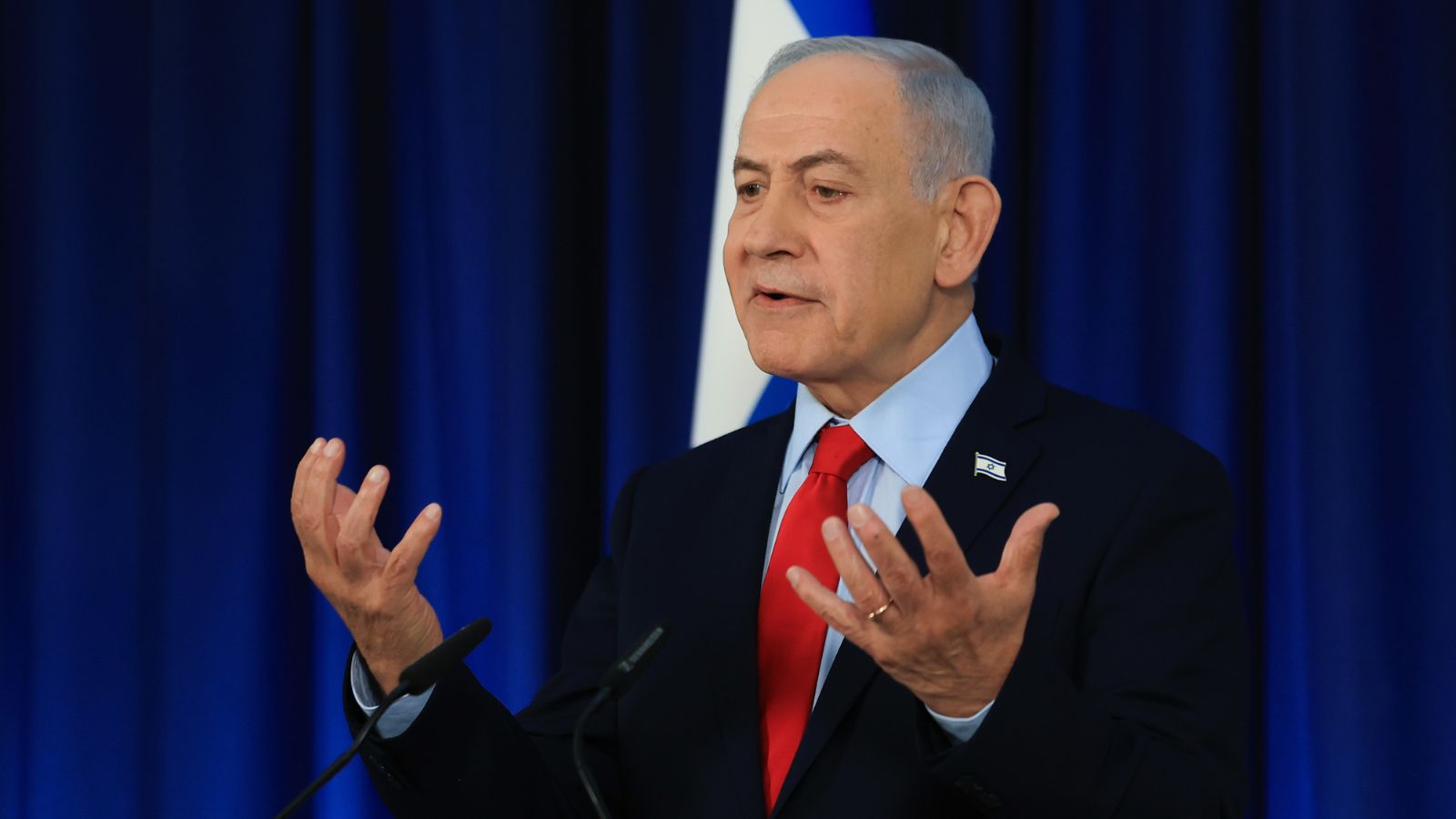
The strategic landscape of the Persian Gulf has shifted from a conflict of ideological attrition to a high-stakes competition of economic infrastructure survivability. Prime Minister Benjamin Netanyahu’s confirmation that Israel "acted alone" in the March 18 strike on the South Pars gas complex at Asaluyeh represents a departure from the joint U.S.-Israeli command structure established at the onset of Operation Roaring Lion on February 28, 2026. This unilateral kinetic action exposes a widening rift in the alliance’s tactical endgame: while the Trump administration seeks a stabilized energy market and a controlled conclusion to the "Twelve-Day War" legacy, Jerusalem is prioritizing the total systemic dismantling of the Iranian industrial base.
The Asymmetry of the Energy Battlefield
The strike on the South Pars field—the world’s largest natural gas reservoir shared between Iran and Qatar—targets the "Economic Center of Gravity" (ECG) of the Iranian state. By selecting this specific node, Israel has applied a cost function designed to exceed mere military degradation.
- Production Vulnerability: The Asaluyeh hub processes approximately 70% of Iran’s domestic gas. The destruction of two major refineries does not simply reduce output; it creates a "cascade failure" in the national grid, impacting everything from residential heating to the power supply required for the remaining centrifuges and missile assembly plants.
- The Transnational Spillover: Because the reservoir is shared, kinetic activity in the South Pars region carries an inherent "political externality." Iran’s retaliatory strike on Qatar’s Ras Laffan Industrial City—responsible for 20% of global LNG supply—demonstrates the "Multiplex Threat" mechanism: Iran cannot match Israel’s technical precision, so it offsets the cost by holding the global energy market hostage.
The Strategic Divergence: Stabilization vs. Decimation
The tension between President Trump’s "Stability Doctrine" and Netanyahu’s "Decimation Strategy" is now the primary bottleneck for regional resolution.
- The Trump Stability Calculus: The White House operates under a mandate of domestic inflation control. With Brent crude spiking to $118 per barrel following the Ras Laffan attack, the U.S. priority has shifted toward a "Ceasefire-at-Peak" model. Trump’s warning to Netanyahu to "hold off" on further energy strikes is an attempt to prevent the permanent destruction of assets that would be required for any post-war Iranian economic recovery.
- The Netanyahu Attrition Model: Jerusalem views the current window as a once-in-a-generation opportunity to achieve "Industrial Paralysis." By neutralizing Iran’s capacity to enrich uranium and assemble ballistic missiles—capabilities Netanyahu claims are already "decimated"—Israel is moving to ensure that even a successor regime lacks the material base to reconstitute a threat for decades.
Operational Metrics of Operation Roaring Lion
After 20 days of sustained combat, the degradation of the Iranian military-industrial complex can be categorized through three distinct layers:
- Command Layer: The neutralization of the Supreme Leader and high-ranking IRGC officials has triggered a "Leadership Vacuum." Netanyahu’s observation of "cracks" in the top command suggests a failure in the succession protocol, likely exacerbated by the physical destruction of hardened communication nodes in Tehran.
- Infrastructural Layer: The shift from nuclear sites (Natanz, Fordow) to economic sites (Asaluyeh) represents a move toward "Total War" logistics. Without the gas revenue and the internal energy to run heavy industry, the Iranian state loses its ability to fund regional proxies, effectively severing the "Land Bridge" through Syria and Lebanon.
- Psychological Layer: The "Once-in-a-Generation Chance" messaged to the Iranian public is a strategic attempt to trigger internal regime change. However, the limitation of this strategy is the "Rally Round the Flag" effect; as seen in historical precedents, external strikes on critical civilian-adjacent infrastructure can often consolidate rather than fracture domestic support.
The Escalation Ladder and the Strait of Hormuz
The primary risk remains the "Blackmail Threshold." Iran’s threat to close the Strait of Hormuz is the final lever in its defensive kit.
- The Mechanism of Blockade: Unlike previous "Shadow War" tactics involving limpet mines, a full-scale blockade in 2026 would likely involve the deployment of "Swarm Drones" and mobile anti-ship cruise missiles (ASCMs) hidden in the coastal terrain of the Hormozgan Province.
- The U.S. Counter-Response: President Trump’s vow to "massively blow up" the entirety of South Pars if Qatar is hit again establishes a "Tripwire Deterrent." This creates a binary outcome: either Iran absorbs the loss of its economic engine to survive, or it executes a "Sampson Option" on the global energy supply, forcing a definitive and likely nuclear-adjacent escalation from the U.S.
The current war timeline is no longer dictated by military objectives alone, but by the speed of Iranian internal collapse versus the endurance of global energy markets. Netanyahu’s insistence on "acting alone" signals that Israel is prepared to accept the diplomatic friction of a rift with Washington to ensure that the Iranian "Death Cult" loses its physical means of production. The strategic play for the coming 48 hours is the deployment of a ground component—a "Redemption Ground Move"—to secure key coastal nodes and prevent the IRGC from executing a scorched-earth policy on the remaining gas infrastructure.
Would you like me to analyze the specific impact of the South Pars disruption on East Asian LNG spot prices?