The G7 nations are signaling a coordinated release of emergency oil stocks to suppress rising energy prices. While the official rhetoric emphasizes "market stability" and "capping volatility," the reality is far more precarious. Releasing the Strategic Petroleum Reserve (SPR) is a finite gamble that treats a deep-seated supply deficit as a temporary liquidity crunch. It provides a momentary reprieve at the pump while hollows out the West's primary defense against a genuine, catastrophic supply disruption.
This move is not about logistics. It is about politics. By dipping into these reserves now, world leaders are attempting to mask the structural failures of an energy transition that has outpaced its infrastructure. The math is stubborn. Global demand remains resilient, yet the "emergency" being cited is often nothing more than the natural consequence of underinvestment in traditional extraction and refining.
The Illusion of a Quick Fix
The primary mechanism of an SPR release is simple. A government announces it will sell millions of barrels from its underground salt caverns or tanks into the open market. This sudden influx of supply is intended to satisfy immediate demand and force speculators to lower their bids. In the short term, it usually works. Prices dip. The headlines soften.
However, the impact is almost always transitory. An SPR release does not produce a single new drop of oil; it merely shifts the timing of when existing oil is consumed. It is the equivalent of paying a mortgage with a credit card. You haven't solved the debt; you’ve just moved it to a different column while shrinking your available credit limit for a real crisis, like a war or a major hurricane.
History shows that the market eventually "prices in" these releases. Once the physical barrels reach the refineries, the downward pressure on price evaporates. Traders then begin to look at the depleted inventory levels. They realize the cushion is thinner than it was before, which paradoxically can lead to higher prices later as nations are forced to bid against each other to refill those same reserves.
The High Cost of Refilling the Tank
The most significant overlooked factor is the "buyback" problem. To maintain national security, these reserves must eventually be replenished. This creates a floor for oil prices that didn’t exist before. If the G7 releases oil at $85 a barrel and tries to buy it back later, they become the world’s largest buyer, propping up the very prices they sought to destroy.
We saw this play out in 2022 and 2023. Massive drawdowns provided a temporary shield against inflation, but the subsequent effort to restock the shelves has been slow, expensive, and politically fraught. When a superpower signals it needs to buy 30 million barrels to hit a safety target, every producer in the OPEC+ bloc knows they have leverage.
The Refining Bottleneck
Even if the G7 floods the market with crude, there is a technical wall that no amount of emergency tapping can overcome: refining capacity. Crude oil is useless if you can’t turn it into gasoline, diesel, or jet fuel.
Global refining margins have remained stubbornly high because the world has lost millions of barrels per day of processing capacity over the last decade. Older plants have been shuttered, and new ones are not being built in the West due to regulatory hurdles and the long-term shift toward renewables. If the refineries are already running at 95% capacity, adding more crude to the system just creates a pile of oil at the gate. It doesn’t lower the price of the finished product for the consumer.
The Geopolitical Signal of Weakness
Using the SPR for price management rather than supply emergencies sends a clear signal to adversarial energy producers. It tells them that the G7’s "pain threshold" for energy prices is relatively low.
When the West uses its ultimate insurance policy to shave a few cents off the price of a gallon of gas, it tells groups like OPEC+ that they don’t need to cut production deeply to cause a panic. They simply have to wait for the reserves to run dry. We are currently witnessing a shift where the SPR is being transformed from a tool of national security into a tool of macroeconomic fine-tuning. This is a dangerous evolution. It leaves the global economy exposed to a "black swan" event—a pipeline explosion, a tanker blockade in the Strait of Hormuz, or a cyberattack on energy infrastructure—with half the ammunition we had five years ago.
The Math of Depletion
To understand the scale, consider the following. A release of 60 million barrels sounds massive. In reality, the world consumes roughly 100 million barrels of oil every single day. A coordinated G7 release often represents less than 24 hours of global demand spread out over several weeks. It is a drop in a very large, very hot bucket.
- Total G7 Stocks: Declining at a rate that far exceeds the pace of new discoveries.
- Replacement Cost: Historically higher than the "emergency" sale price.
- Buffer Capacity: Currently at the lowest levels seen in decades for several member nations.
The Green Transition Friction
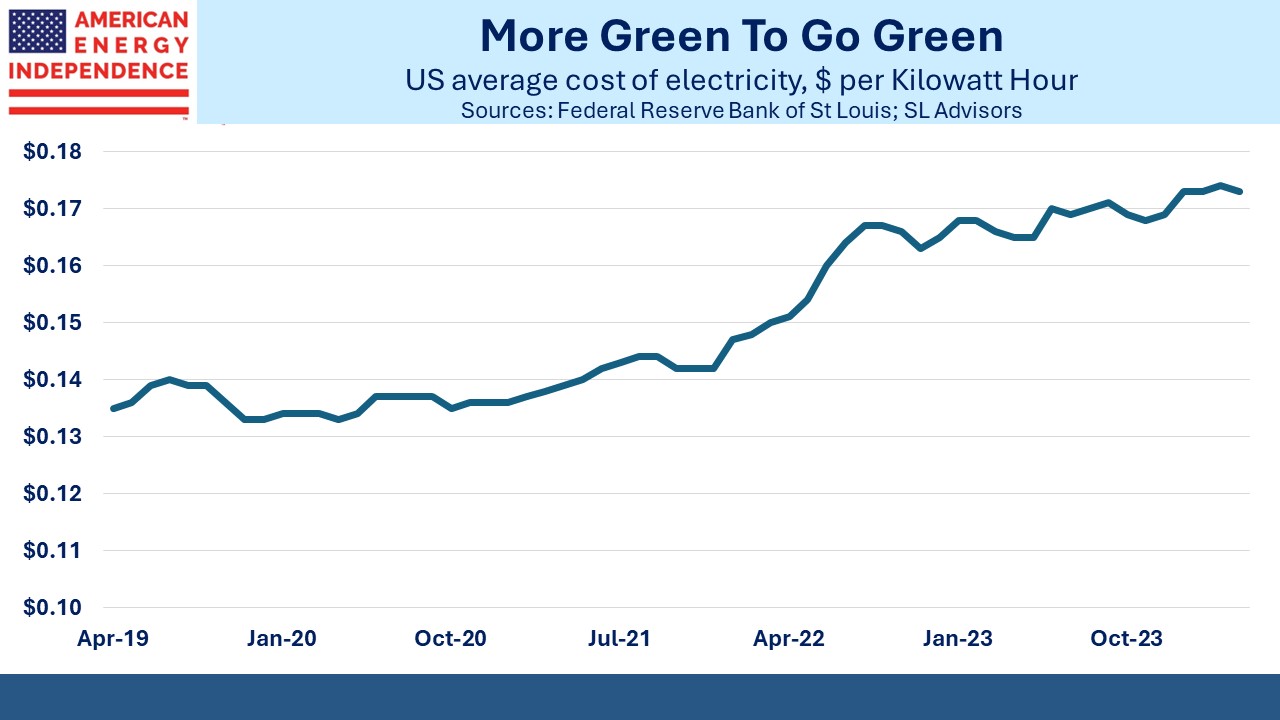
The quiet part that few officials will say out loud is that the G7 is caught in a pincer movement. On one side, they are committed to aggressive decarbonization targets that discourage long-term investment in fossil fuels. On the other, they are terrified of the political fallout from high energy prices today.
This creates a "dead zone" for energy investment. Why would an oil major spend $10 billion on a project that takes seven years to start producing if the government is actively trying to phase out their product? The result is a permanent supply-side tightness. The SPR is being used to fill this gap, but it is a finite resource. You cannot "policy" your way out of a physical shortage of energy.
The emergency release is a signal of a lack of a cohesive energy strategy. It is a reactive measure, a desperate grab for the levers of the economy when the actual engine is stalling. If the goal is truly to lower prices for the long term, the focus must shift from raiding the pantry to building a more resilient and diverse energy supply chain that doesn't rely on 50-year-old salt caverns to keep the lights on.
The Hidden Risk to Infrastructure
There is also a physical reality to these reserves that rarely makes the evening news. The SPR was designed for occasional use. Repeatedly drawing down and refilling these caverns creates mechanical stress. The salt domes used to store oil in places like Texas and Louisiana are subject to "creep" and structural degradation. Each time we pull oil out, we risk the integrity of the storage itself. We are quite literally wearing out our insurance policy by using it to pay for routine expenses.
Furthermore, the quality of the oil being released doesn't always match what refineries need. Much of the SPR consists of "sour" crude (high sulfur content), while many modern refineries are optimized for "sweet" crude. This mismatch further blunts the effectiveness of any release, as the market must then scramble to find the right blend to make the oil usable.
Moving Beyond the Panic Button
The G7’s readiness to tap reserves should be viewed as a warning, not a solution. It is an admission that the current energy market is balanced on a knife's edge and that the traditional tools of diplomacy and domestic production are failing to provide stability.
True energy security isn't found in a hole in the ground; it’s found in a redundant, high-capacity system that can withstand shocks without needing to raid the emergency fund. Until the West addresses the chronic underinvestment in both traditional and transitional energy infrastructure, these "coordinated releases" will become more frequent, less effective, and increasingly dangerous.
Identify the specific refineries in your region and look at their current utilization rates. If they are at capacity, ignore the headlines about the SPR; the price of gas isn't going anywhere but up.