World leaders talk all the time. Most of it's boring, scripted, and frankly, doesn't move the needle. But when Donald Trump and Narendra Modi get on the phone for 40 minutes, the global markets actually pay attention. It isn't just about two old friends catching up. It’s about the fact that West Asia is currently a powder keg, and these two see themselves as the only ones capable of holding the match—or blowing it out.
Trump's recent comment that he and Modi "had a very good conversation" sounds like typical Trump-speak. Beneath that veneer of simplicity lies a massive shift in how the US and India are coordinating on the Middle East crisis. They aren't just talking about trade deals or visas anymore. They're talking about the Strait of Hormuz and the very real possibility of a global energy shutdown.
The Strait of Hormuz Obsession
If you're wondering why a phone call between Washington and New Delhi focused so heavily on a narrow strip of water off the coast of Iran, look at your last gas bill. The Strait of Hormuz is the world's most important oil artery. About a fifth of the world's total oil consumption passes through there every single day.
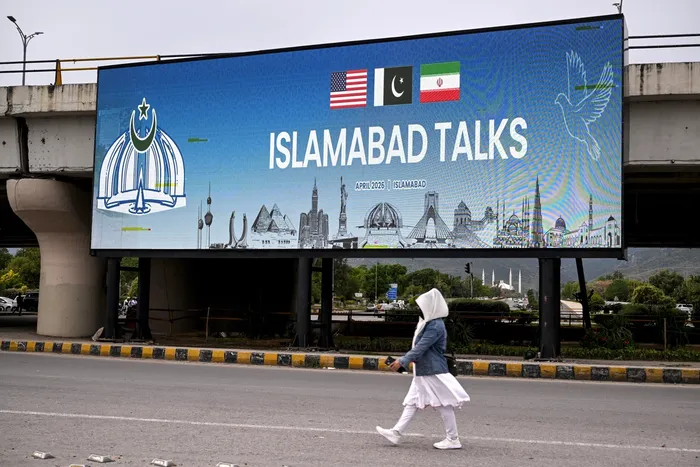
During their mid-April 2026 call, both leaders didn't just mention the strait; they fixated on it. Trump has already initiated a naval blockade in the area following the failure of talks in Pakistan. He’s playing hardball with Tehran. Modi, on the other hand, is the guy who has to keep India’s economy humming. India imports a massive chunk of its energy from this region. If that strait closes, India’s growth story hits a brick wall.
Trump’s strategy is clear. He’s using the "we get things done" mantra to signal that the US isn't going to let global trade routes be held hostage. By looping in Modi, he's basically telling the world—and Iran—that the world’s largest democracy and the world's most powerful military are on the same page.
Why India is the Wildcard in West Asia
Most people think India stays neutral in Middle East conflicts. That’s an outdated view. Under Modi, India has built deep, strategic ties with Israel, Saudi Arabia, and the UAE, while somehow maintaining a working relationship with Iran. This makes Modi a unique asset for Trump.
- The Mediator Role: While Trump uses the stick (blockades and strikes), Modi offers the carrot of diplomacy.
- Energy Security: India’s stakes are higher than almost any other major power. It isn't just about oil prices; it’s about the millions of Indian expats working in the Gulf whose safety depends on stability.
- The "Hormuz Factor": India has already deployed naval assets in the region before to protect its shipping. Trump knows he can't police the world alone anymore—nor does he want to. He wants "partners" to share the burden.
Trump’s recent praise for Modi as a "decisive leader" isn't just flattery. It’s a job description. He’s looking for India to step up and help manage the chaos that the old-school diplomatic channels couldn't handle.
The Trump Strategy vs The Reality on the Ground
Let’s be real. Trump’s "maximum pressure" 2.0 is risky. He’s currently holding a 10-day pause on strikes against Iranian energy infrastructure. He says he’s doing it because Iran asked for it. Critics say he’s just buying time because a full-scale war would tank the US economy right when he needs it to look strong.
Modi’s position is equally delicate. He’s officially calling for "de-escalation" and "restoration of peace." It’s the standard diplomatic line, but the urgency in his tone during this latest call suggests he knows the window for a peaceful exit is closing. The US-Israeli offensive that started in February 2026 has already changed the map.
You’ve got a situation where the US is actively blocking the strait while simultaneously talking about peace. It’s a contradiction that only makes sense if you see it through the lens of leverage. Trump is squeezing, and he wants Modi to help make sure the "right" people feel the pressure without causing a total global collapse.
What This Means for You
If you’re watching this from the outside, don’t get distracted by the "friendship" headlines. This isn't a buddy movie. It’s a cold, hard calculation about survival and dominance.
- Watch the Oil Prices: The talk about keeping the Strait of Hormuz "open and secure" is code for "expect volatility." If the blockade continues or Iran retaliates, prices will spike regardless of what Trump and Modi say on a call.
- India’s New Weight: India is no longer a spectator in West Asian geopolitics. It’s now a central player that the US feels the need to consult before making major moves.
- Diplomacy by Personal Rapport: The era of institutional diplomacy is dead. We’re in the era of "strongman" deals. Success or failure in West Asia now depends on the personal chemistry between leaders like Trump, Modi, and Netanyahu.
The "very good conversation" is just the beginning. As the April 2026 ceasefire deadline approaches, the pressure will only ramp up. Keep your eyes on the naval movements in the Gulf; that’s where the real story is being written, not in the press releases.
Stop waiting for the UN to solve this. The real decisions are happening in 40-minute phone calls between people who claim they "get things done." Whether they actually do—without starting a world war—remains to be seen.