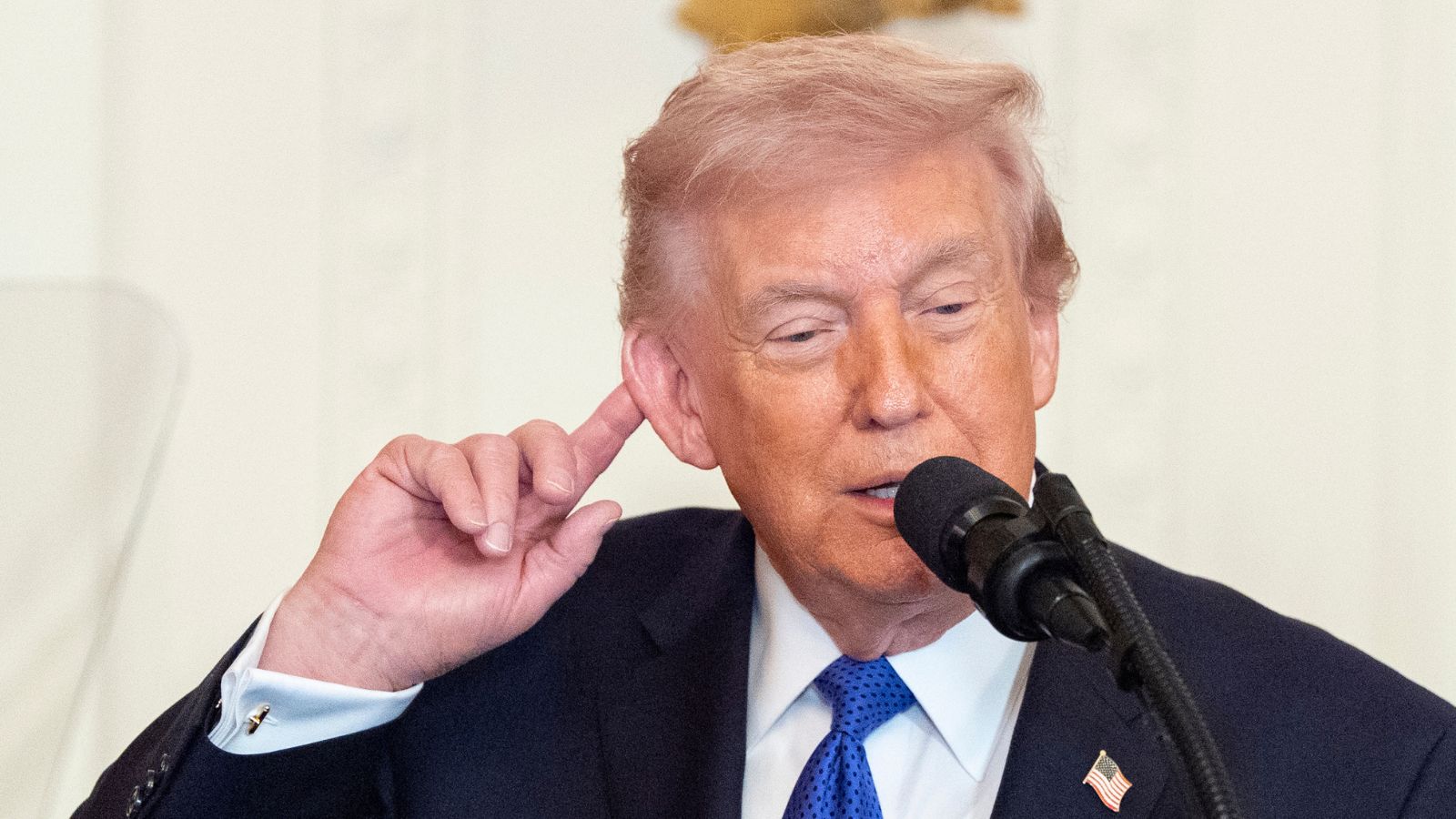
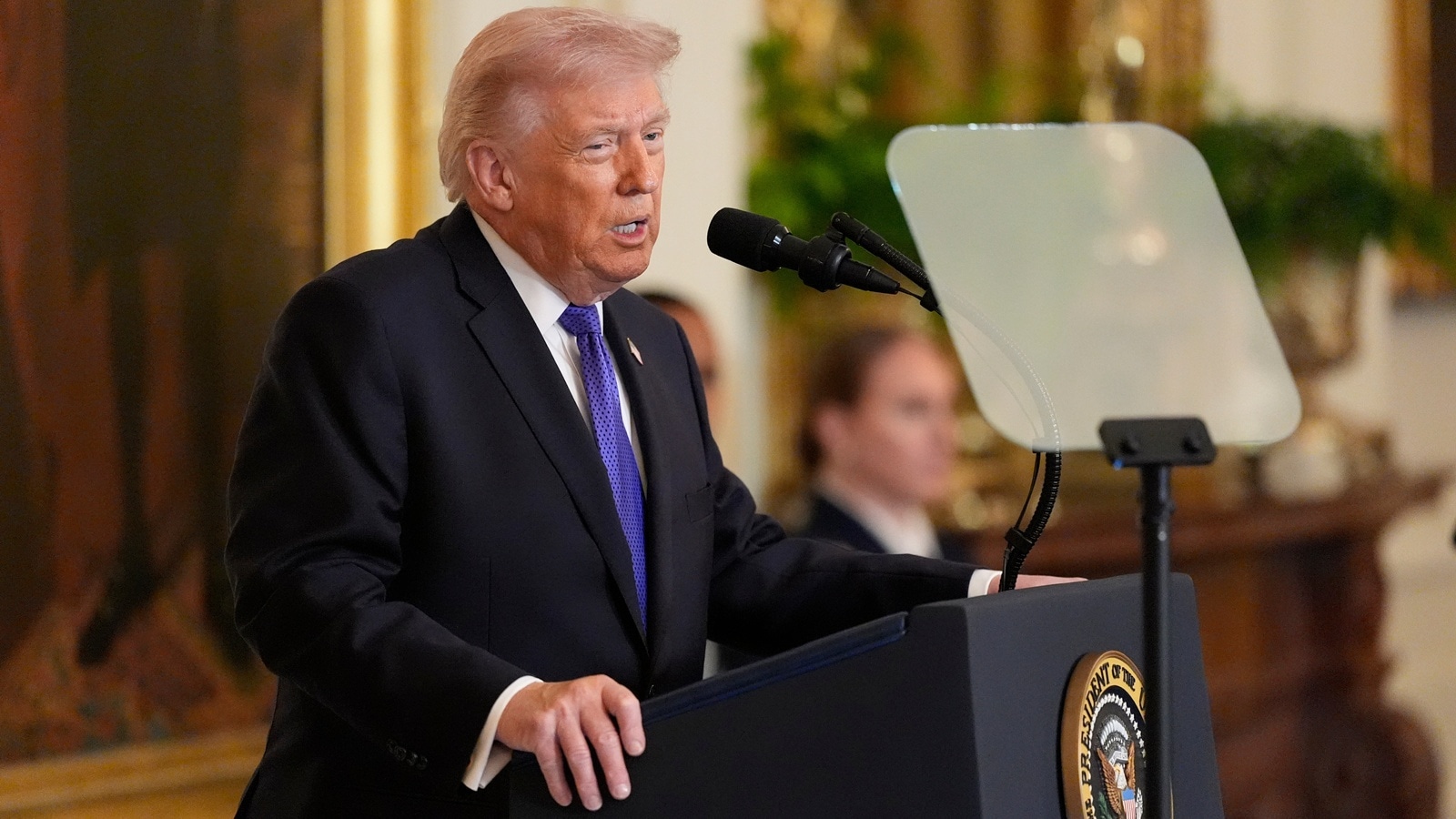
The rules of Middle Eastern engagement just hit the shredder. For decades, American presidents have clung to a predictable script: "No boots on the ground." It's the standard political shield used to calm a nervous public. But Donald Trump isn't sticking to that script. In a series of recent interviews, he's made it clear that while he doesn't want a ground war, he isn't taking it off the table. He's calling it "not having the yips."
This isn't just tough talk. It's a fundamental shift in how the U.S. is handling the current explosion of violence between Israel and Iran. Since Operation Epic Fury began on February 28, 2026, the region has been a powder keg. We're seeing B-2 bombers hitting Tehran and the reported death of Supreme Leader Ayatollah Ali Khamenei. Now, the question isn't just about the next airstrike. It's about whether American soldiers will eventually cross the border.
The Golf Term Redefining Foreign Policy
Trump used a specific word to describe his stance: "the yips." In golf, it's that nervous twitch that ruins a putt. In his mind, previous leaders were too scared of the political fallout to even mention ground troops. He told the New York Post that he won't say "no boots on the ground" just to sound safe. If they're necessary, they're on the table.
Honestly, it's a high-stakes gamble. By refusing to rule out an invasion, he's trying to keep Tehran guessing. The logic is simple: if the enemy thinks you'll do anything, they're more likely to fold. But this "maximum pressure" 2.0 comes with a massive price tag. Six American service members have already been killed in logistics units in Kuwait. The "big wave" of attacks he's promising suggests this is only the beginning.
Why Ground Troops are Even Being Discussed
You might wonder why we're talking about an invasion when the U.S. and Israel are already hitting hundreds of targets from the air. The reality on the ground is messy.
- Regime Collapse: With Khamenei reportedly gone, there’s a power vacuum. Trump has openly called for the Iranian people to "seize the moment." If the country descends into total chaos, the U.S. might feel forced to "stabilize" key areas.
- The Nuclear Question: Airstrikes can damage facilities, but they rarely destroy knowledge. To ensure Iran never builds a bomb, some strategists argue you need people on the ground to secure the sites.
- The Strait of Hormuz: Iran has threatened to shut down 20% of the world's oil flow. If the U.S. Navy can't keep it open from the water, a land-based operation to secure the coast becomes a real possibility.
Defense Secretary Pete Hegseth isn't closing the door either. He says the U.S. won't get "bogged down" for 20 years, but they’ll go as far as needed. It's a "leaner and meaner" philosophy, but history shows that once you send troops in, getting them out is never as easy as the brochure says.
The Five Week Timeline vs Reality
Trump claims the core phase of this campaign should last four to five weeks. He says the U.S. is "way ahead of schedule." But look at the numbers. At least 555 people have died in Iran. Over 130 cities have been hit. This isn't a surgical strike; it’s a full-scale war.
The Pentagon says it has enough ammunition stored globally to keep this up. But can the political landscape handle it? A recent poll shows only 27% of Americans approve of these strikes. Trump says he doesn't care about the polling, but Congress does. Democrats are already screaming about the lack of a War Powers resolution. They're worried we're sliding into another "forever war" without a single vote being cast.
What Happens if the Big Wave Hits
The "big wave" Trump mentioned to CNN isn't just a metaphor. It likely refers to a massive escalation of cyber warfare and carrier-based strikes aimed at the IRGC's remaining command structures. If that doesn't force a surrender, the pressure to send in "specialized" ground units will become deafening.
Don't expect a 2003 Iraq-style invasion with hundreds of thousands of troops. Instead, watch for "targeted stability operations." These are smaller, highly mobile units meant to hold specific oil terminals or nuclear facilities. It's less "occupying a country" and more "grabbing the steering wheel."
If you're tracking this, keep your eyes on the Strait of Hormuz and the civilian protests in Tehran. If the IRGC loses control of the streets, the U.S. might see an opening they can't resist. Check your local news for updates on oil prices—they're the first thing to move when the "boots" talk gets real.