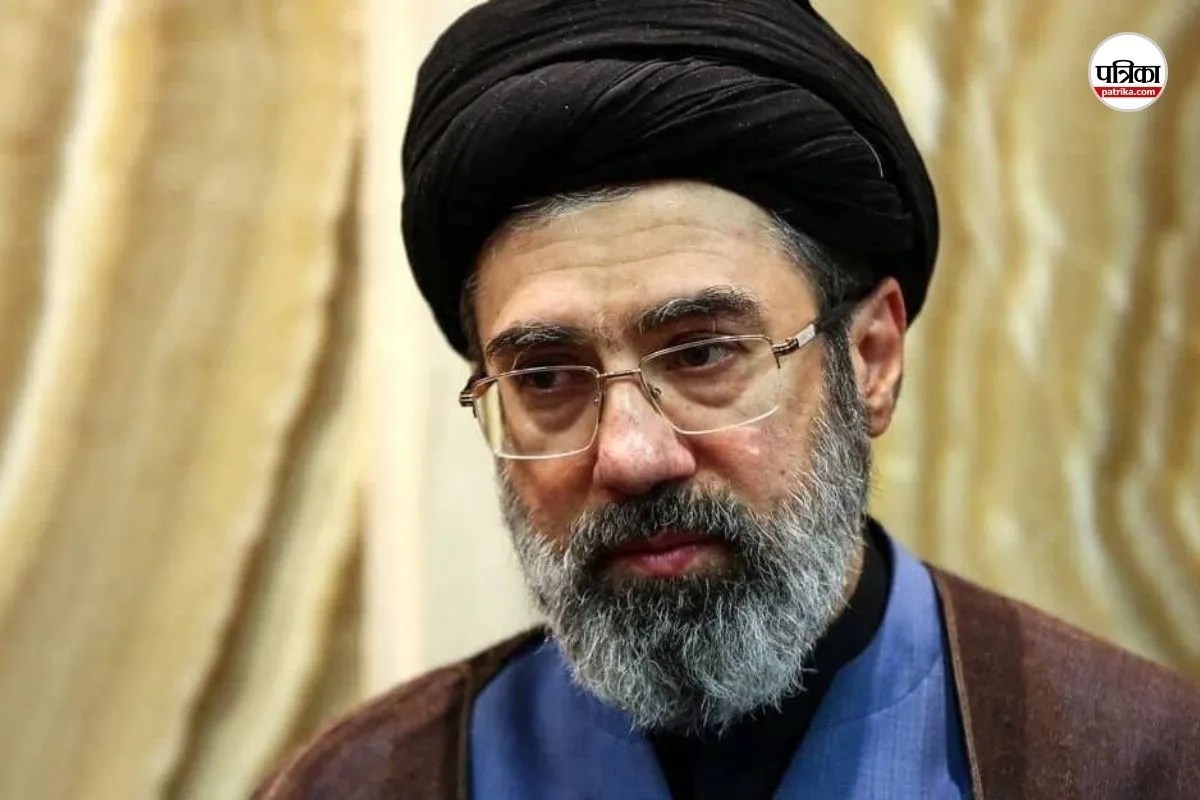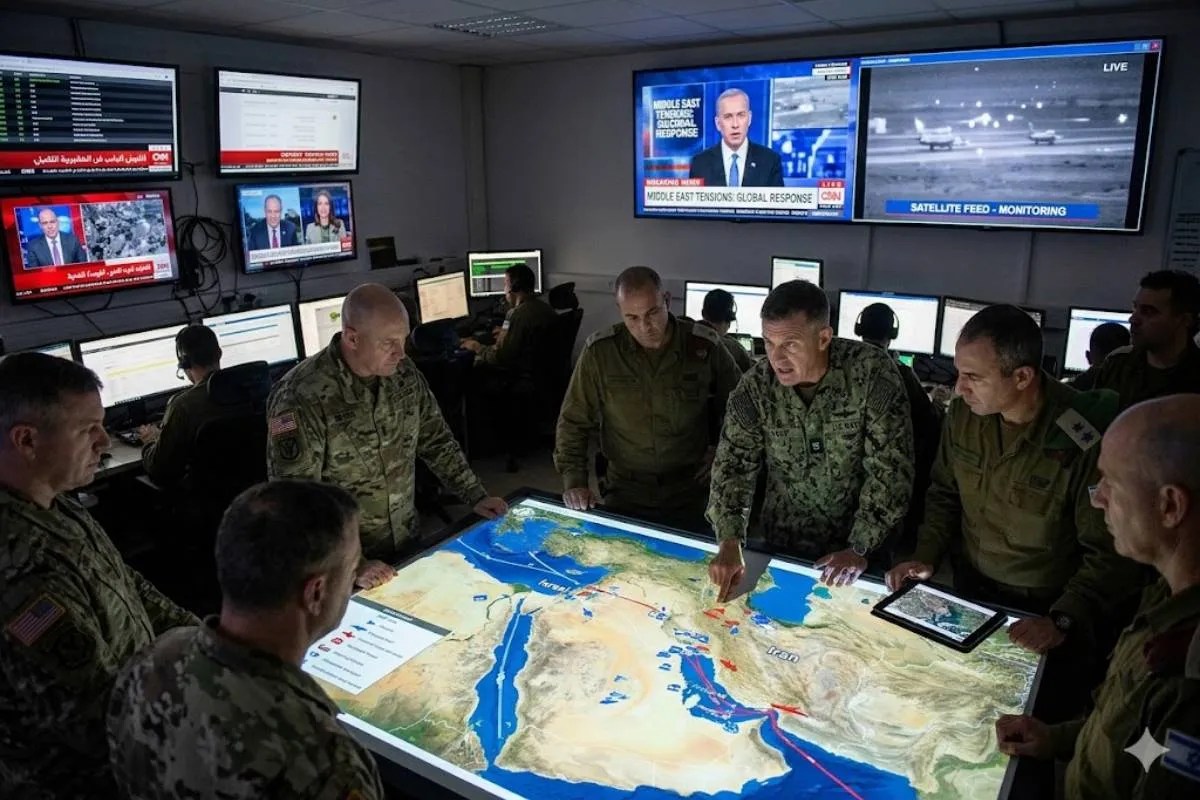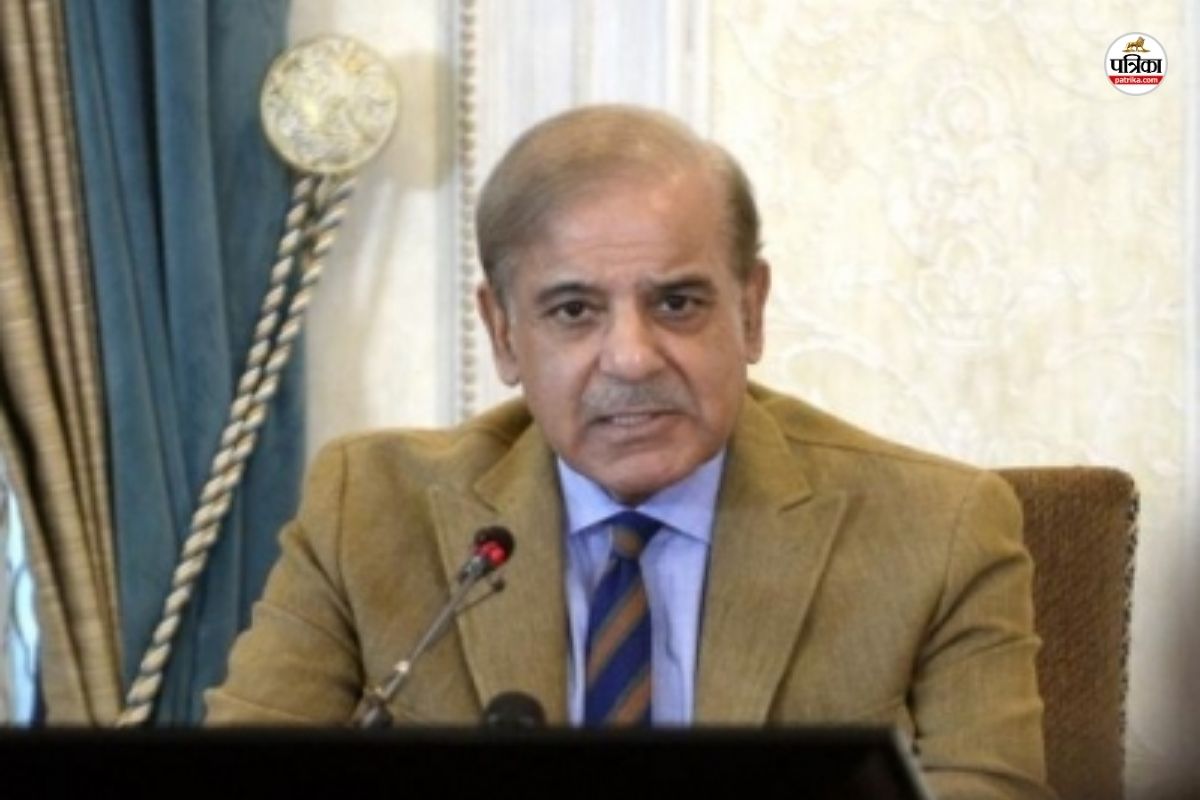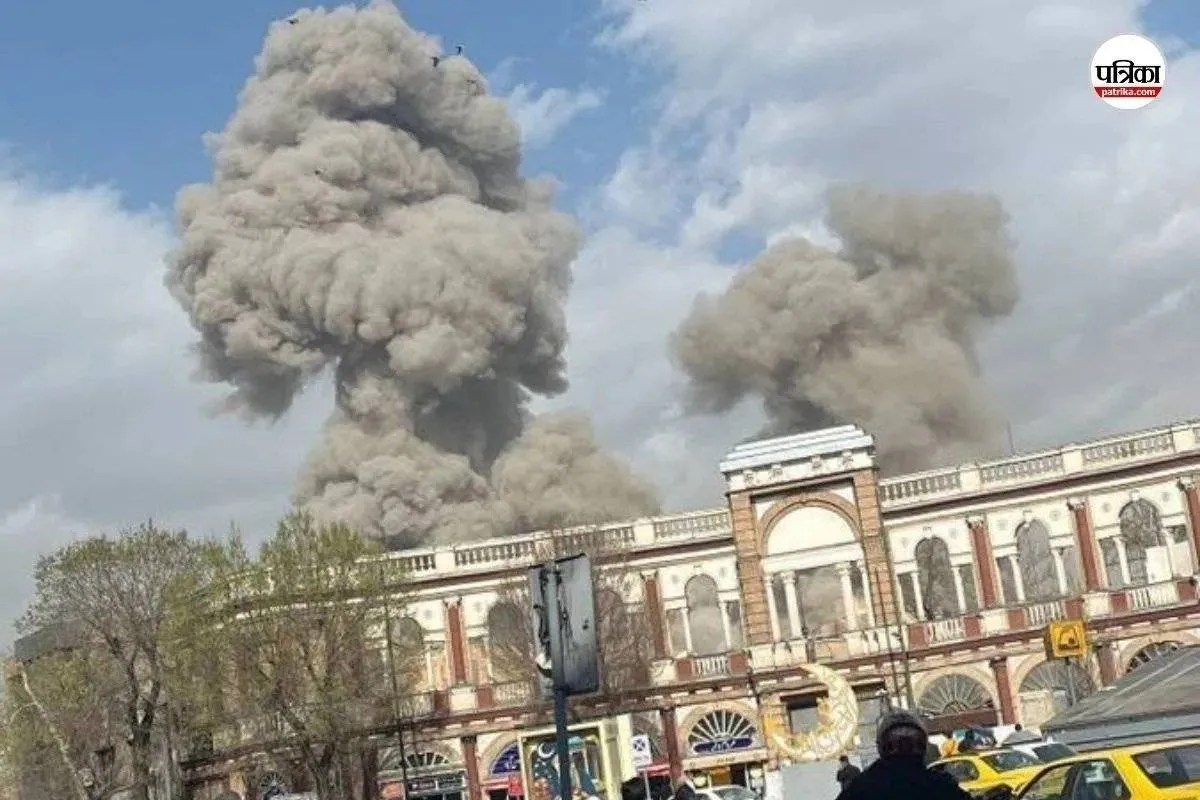
Twelve days. In the history of modern warfare, twelve days is a blink. It is barely enough time for a diplomatic cable to be drafted, let alone for the entire geopolitical architecture of a region to crack. Yet, as the sun sets over the Alborz Mountains, the air in Tehran feels different. It carries the weight of a standoff that wasn't supposed to last this long. The prevailing wisdom in the halls of the Pentagon and the strategy rooms of Tel Aviv was simple: pressure leads to cracks. Cracks lead to collapse.
They were wrong.
The high-stakes chess match between Iran, the United States, and Israel has entered a phase that defies traditional military logic. We are witnessing a moment where "superiority" is being redefined. It is no longer just about who has the loudest jets or the most expensive missile defense systems. It is about something far more primal and, simultaneously, more high-tech.
The Ghost in the Machine
Consider a young engineer in an unassuming basement in Isfahan. He isn't wearing a uniform. He doesn't have a medal. But his fingers, dancing across a mechanical keyboard, are currently holding the world’s most advanced air forces at bay. This is the reality of asymmetric warfare. While the West looks at the map and sees targets, Iran looks at the map and sees a web.
For twelve days, the expected "bowing" of the Iranian leadership has failed to materialize. Why? Because Tehran has spent the last three decades preparing for exactly this type of isolation. They have built a "resistance economy" and a military infrastructure designed to function when the lights go out. They aren't playing the same game as their adversaries. They are playing a game of endurance, calculated provocations, and the weaponization of geography.
The Geography of Defiance
The Strait of Hormuz is a narrow, shimmering stretch of water. It is also a jugular vein. Roughly one-fifth of the world’s oil passes through this chasm. To the US and its allies, it is a logistical hurdle to be managed. To Iran, it is a physical lever.
Every day that Tehran refuses to blink, the price of a gallon of gas in a suburb in Ohio or a liter of petrol in Berlin feels the phantom pressure of that lever. The invisible stakes of this conflict aren't just found in the debris of intercepted drones; they are found in the global supply chain. The longer the standoff lasts, the more the "sweat" mentioned in the headlines becomes a very real economic fever for the West.
Israel finds itself in a particularly harrowing position. For decades, the doctrine of the "Long Arm"—the ability to strike anywhere, anytime—was the bedrock of Israeli security. But the Arm has met a shield made not just of steel, but of proxy networks and deep-buried bunkers. When you strike a shadow, the shadow doesn't bleed. It just moves.
The Human Cost of the Stalemate
Away from the war rooms, there is the human element. There is the father in Tehran who stocks up on rice and oil, his eyes darting to the sky every time a plane passes. There is the mother in a kibbutz near the border, her ears tuned to the specific frequency of a siren that has become the soundtrack of her children’s lives.
These people are the true currency of the twelve-day standoff. Their resilience is being tested as a political commodity. The Iranian leadership knows that if they can maintain a sense of "normalcy" amidst the threat of total war, they win the psychological battle. This isn't just about missiles; it's about the collective heartbeat of a nation.
The Technology of the Underdog
We often equate "advanced" with "expensive." A single F-35 fighter jet costs nearly $100 million. A swarm of Iranian-made Shahed drones? A fraction of that.
The math of this conflict is becoming unsustainable for the traditional powers. If it costs two million dollars to fire an interceptor missile at a drone that costs twenty thousand dollars, the "superior" power is actually losing the war of attrition. This is the "sweat" on the brow of the generals. They are realizing that their high-tech shields are being exhausted by low-tech rain.
The 12-day mark is significant because it exceeds the typical attention span of global markets and the patience of domestic voters. It suggests that the "quick fix" of a surgical strike or a rapid diplomatic surrender is a fantasy.
The Invisible Lines in the Sand
There is a concept in Persian culture known as Taarof—a complex system of etiquette and social maneuvering. It is about what is said versus what is meant. In the current conflict, we are seeing a geopolitical version of this. Tehran’s refusal to yield is a performance for multiple audiences: its own people, its regional proxies, and its rivals.
The "sweat" isn't just about fear; it's about the exhaustion of options. When sanctions are already at their peak, and military threats have been voiced for years, what is left? The US and Israel are finding that the ceiling of "maximum pressure" has been reached, yet the floor beneath Iran has not given way.
The Shift in the Wind
If you listen closely to the rhetoric coming out of the region, the tone has shifted. It is less about "if" a conflict will happen and more about "how long" the current state of neither-war-nor-peace can be sustained.
The silence from certain regional capitals is deafening. Neighbors who once cheered for a decisive blow against Tehran are now looking at the resilience of the last twelve days and rethinking their own security hedges. They see a power that can withstand the combined technological and economic might of the world's superpower and its most formidable regional ally.
This isn't a defense of a regime or a condemnation of a policy. It is an observation of a fundamental change in the chemistry of power. The world is watching a live demonstration of how the "weak" can paralyze the "strong" simply by refusing to play by the established rules of engagement.
Twelve days.
In that time, the assumption that Western military hardware could dictate the terms of Middle Eastern politics has been quietly, violently dismantled. The standoff continues not because one side is stronger, but because the definition of strength has fractured.
The engineer in Isfahan is still at his desk. The pilot in the cockpit is still waiting for the order. The father in the kibbutz is still listening for the siren.
The air remains heavy. The mountains remain silent. But the world that existed thirteen days ago is gone, replaced by a reality where the most powerful nations on earth are forced to wonder: what happens if the other side simply never stops standing up?
The answer isn't in a textbook. It's written in the dust of the desert, where the cost of a stalemate is being calculated in lives, liters of oil, and the slow, grinding erosion of certainty.
Would you like me to analyze the specific economic ripple effects this twelve-day standoff has had on global energy markets?