The global energy market just hit a massive reset button. On one side of the Persian Gulf, the United Arab Emirates (UAE) is walking away from the OPEC cartel, a move that effectively ends a nearly 60-year marriage. On the other side, Donald Trump is claiming Iran is in a "State of Collapse" and desperate to reopen the Strait of Hormuz. If you think this is just another week of Middle East headlines, you’re missing the bigger picture. We’re watching the total disintegration of the old oil order in real-time.
The UAE officially breaks up with OPEC
Abu Dhabi finally did it. After years of simmering tension over production quotas, the UAE announced it will exit OPEC and OPEC+ effective May 1, 2026. This isn't a snap judgment. It’s a calculated, cold-blooded business move. For years, the Emiratis have been pouring billions into their production capacity, itching to pump more than the Saudi-led quotas allowed. By leaving, they're choosing their own national interest over the "collective stability" the cartel always preaches.
Honestly, it’s about time. The UAE wants to monetize its reserves before the global energy transition makes them less valuable. They’ve got the capacity, they’ve got the technology, and now they have the freedom. By exiting, they can flood the market on their own terms or strike bilateral deals with China and India without asking Riyadh for permission. It’s a massive blow to OPEC’s leverage. When your third-largest producer walks out the door during a regional war, the "cartel" starts looking more like a social club.
Trump says Iran is desperate
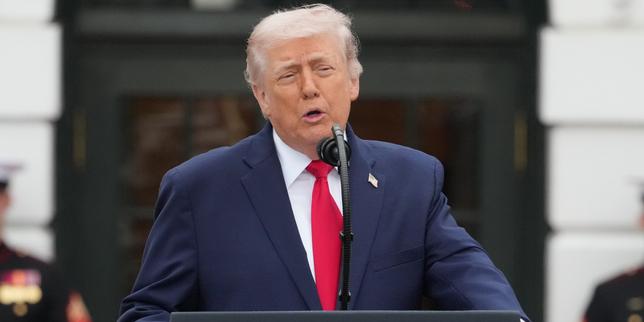
While the UAE is planning its economic future, the current war has the Strait of Hormuz in a chokehold. Shipping traffic is down a staggering 95%. Think about that. One of the world's most vital veins for energy is essentially flatlining. In the middle of this, Donald Trump dropped a bombshell: he says Iran has reached out, claiming they're in a "State of Collapse" and want the Strait opened "as soon as possible."
You have to take Trump’s framing with a grain of salt, but the underlying pressure on Tehran is real. The U.S. blockade is biting hard. Marines are literally fast-roping onto commercial ships in the Arabian Sea to keep Iranian ports sealed off. Iran might not be "collapsing" in the way a building falls down, but their economy is suffocating. If they’re actually signaling a desire to reopen the waterway, it means the leverage has shifted. They can’t fund a war if they can't sell a single barrel of oil.
The blockade reality check
- Shipping transits: Down 95.3% since February.
- Oil prices: Brent Crude is hovering over $112 a barrel.
- Human cost: Roughly 20,000 seafarers are currently trapped in the Gulf, caught in a naval limbo.
What this means for your wallet
You’re probably seeing the impact at the pump already. With the Strait of Hormuz closed, crude prices for Europe have jumped 53%. The irony here is thick. The UAE is leaving OPEC so it can pump more oil, which should theoretically lower prices. But as long as the Strait is a potential minefield, that oil can't get to where it needs to go.
I’ve seen plenty of "market experts" suggest this is a temporary spike. They’re wrong. This is a structural shift. Even if a ceasefire happens tomorrow, the trust in the Strait of Hormuz as a reliable transit point is shattered. Companies are already looking for permanent workarounds, like pipelines across Saudi Arabia to the Red Sea, but those can't handle the full volume of the Gulf's output.
The end of the Saudi-UAE alliance
The most fascinating angle here is the growing rift between Abu Dhabi and Riyadh. For decades, they were the "twin pillars" of Gulf oil policy. Not anymore. The UAE’s exit from OPEC is a direct challenge to Saudi Arabia’s dominance. It signals that the UAE is no longer willing to play second fiddle or sacrifice its growth to prop up Saudi's "Vision 2030" budget needs.
Basically, it's every nation for itself now.
If you're an investor or just someone trying to make sense of the chaos, don't look at the war in isolation. Look at the UAE's move as the start of a "price war" mentality that will likely define the late 2020s. Once the shooting stops, the UAE will be ready to ramp up production to record levels, potentially crashing prices to gain market share.
Next steps for navigating this mess:
- Watch the Friday deadline: The UAE’s formal exit on Friday will likely trigger immediate volatility in oil futures.
- Monitor the "State of Collapse" narrative: If Iran is truly desperate, expect a flurry of back-channel diplomatic leaks over the next 48 hours.
- Diversify energy exposure: If you're holding traditional energy stocks, the UAE’s move toward independent production means the era of "stable" OPEC-managed prices is over.
The old map of the Middle East is being redrawn, and for the first time in a generation, the oil producers are fighting each other as much as they're fighting their enemies.