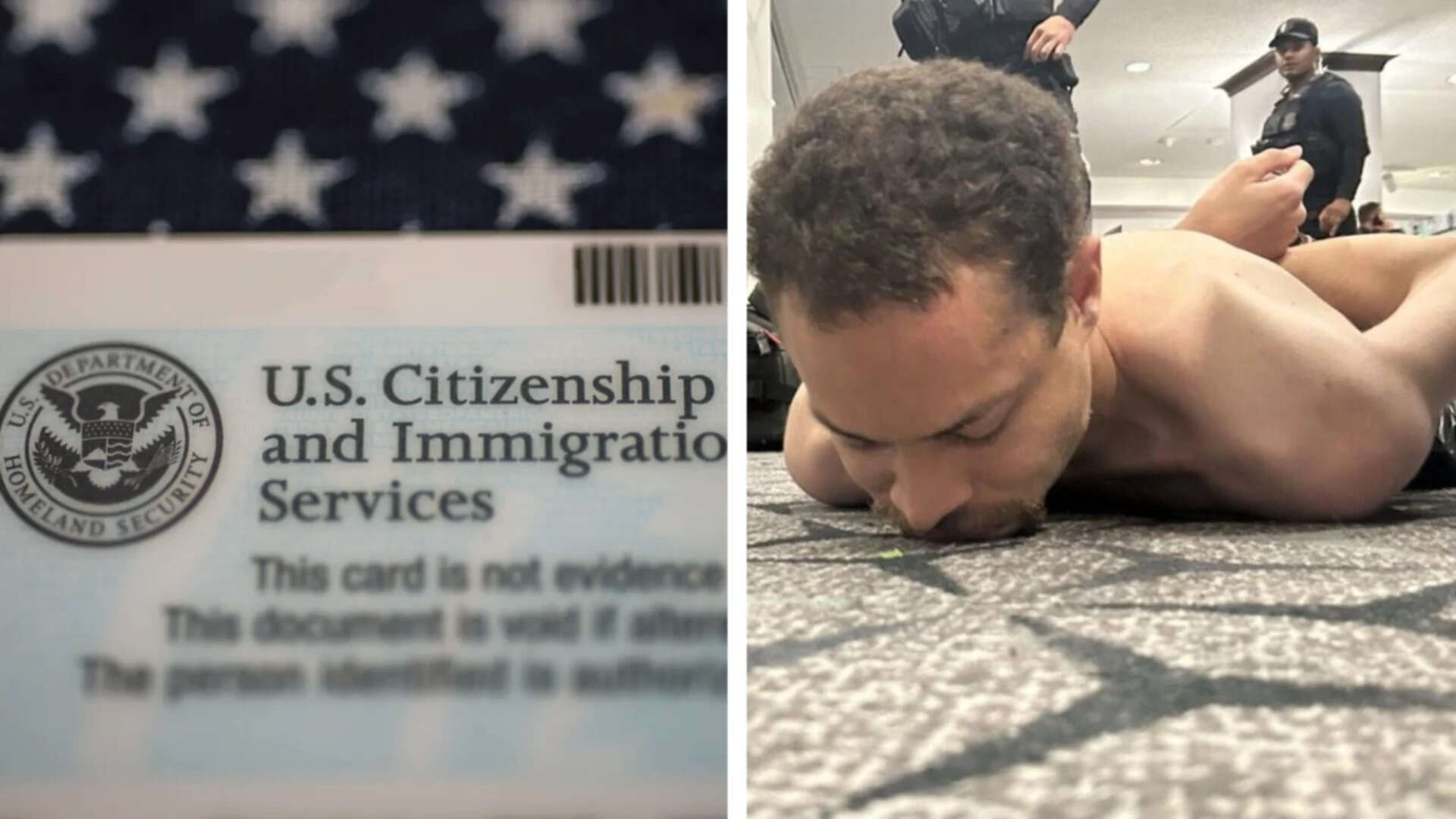
You show up for your residency interview, dressed in your best clothes, heart racing, only to be told the decision on your life in America is being put on ice. This isn't a hypothetical nightmare. It's happening right now. Prominent immigration attorney Charles Kuck recently sounded the alarm, revealing that USCIS officers are citing a shooting in Washington D.C. as the reason for a massive hold on case decisions.
It sounds like a bad excuse, doesn't it? One violent act in the capital shouldn't theoretically stop a bureaucrat in a field office hundreds of miles away from clicking "approve" on a legitimate application. But in 2026, the immigration system isn't running on logic. It’s running on fear and political maneuvering.
The D.C. shooting and the USCIS freeze
On Saturday night, a gunman named Cole Tomas Allen allegedly tried to breach security near a White House Correspondents' Association event. He opened fire, hitting a Secret Service agent. While the agent survived, the ripples of that event hit the Department of Homeland Security (DHS) like a tidal wave.
Almost immediately, word started trickling out from the halls of USCIS. Decisions aren't just slowing down; they’re being flat-out paused. Kuck described the situation as a "farce," accusing the agency of using any possible pretext to deny or delay benefits that people have already paid for.
This isn't just about one shooting. It’s a pattern. We’ve seen this before. Back in late 2025, after a shooting involving a National Guard member, the administration slammed the brakes on asylum adjudications. Now, they’re doing it again, using a fresh tragedy to justify a broader "review" of vetting procedures.
Why your case is actually stuck
If you're waiting on a green card or a citizenship ceremony, you don't care about the politics—you care about your timeline. Here’s the reality of why these "holds" happen:
- Vetting reviews: Every time a high-profile security incident occurs, DHS leadership panics. They order a "rigorous reexamination" of current cases to ensure nobody "dangerous" is slipping through.
- The high-risk list: If you're from one of the 39 countries currently labeled as "high-risk," your case is basically in a black hole. The government claims these countries don't provide enough data for "maximum vetting."
- Resource shifting: USCIS often moves staff away from standard interviews to focus on "enhanced screening" tasks, leaving thousands of applicants in limbo.
Honestly, it feels like the agency is looking for a reason to stop working. When an official tells a lawyer that they can't approve a residency case because of a shooting in D.C., they're saying the quiet part out loud: the system is being weaponized to create delays.
What you can do while the system stalls
Waiting is the hardest part, but sitting ducks get nowhere. You have to be proactive because the government certainly won't be.
Check your field office status
Don't assume your local office is running as usual. Some offices in the D.C. metro area and major hubs have seen more aggressive pauses than others. Check the USCIS website for office closures, but remember—they won't always post a notice about an "adjudicative hold." They’ll just let your file sit on a desk.
Update your evidence
If your case is on hold, it might be months before it moves. Use this time. If you have a marriage-based green card pending, keep collecting joint bank statements, photos, and leases. If a "comprehensive review" eventually hits your file, you want it to be so bulletproof that they can't find a single reason to nitpick.
Consider a Mandamus lawsuit
I’ve seen cases sit for two or three years with no explanation. If you’ve been waiting an unreasonable amount of time—usually more than 18 to 24 months—and the agency keeps blaming "security reviews," it might be time to sue them. A Writ of Mandamus doesn't guarantee an approval, but it forces a judge to make USCIS do their job and give you a decision.
The impact of the 2026 government climate
We’re currently navigating a world where the 2025 One Big Beautiful Bill Act and various presidential proclamations have changed the rules of the game. EAD (work permit) validity has been slashed from five years down to 18 months. New fees are popping up everywhere.
The "Know-Nothing" era of immigration policy is back in full swing. The strategy is clear: make the process so long, so expensive, and so frustrating that people simply give up or fall out of status.
Don't let that be you. If your interview was canceled or your decision was "paused" this week, don't just take it. Contact your representative. Talk to a lawyer who isn't afraid to be loud. The shooting in D.C. was a tragedy, but using it as a tool to block the legal path of thousands of immigrants is a choice—and it's a choice we should be calling out.
Keep your paperwork ready. Stay informed on the 39-country list. If your country is on it, your strategy needs to shift from "waiting" to "fighting." This freeze won't last forever, but the backlog it creates will haunt the system for years.
Start by checking your case status online today. If the "last updated" date hasn't changed in months despite your interview being over, your file is likely caught in this new wave of vetting holds. Get your documents in order and be ready to push back.