The border between Venezuela and Colombia isn't just a line on a map. It’s a 1,370-mile pressure cooker. For years, the story was always the same: tension, closed crossings, and enough mutual suspicion to freeze the Andes. But things just took a weird turn. Acting Venezuelan President Delcy Rodríguez just sat down with Colombian officials to talk security, and she didn't mince words. She wants the U.S. sanctions gone, and she’s using the promise of a safer border to make her case.
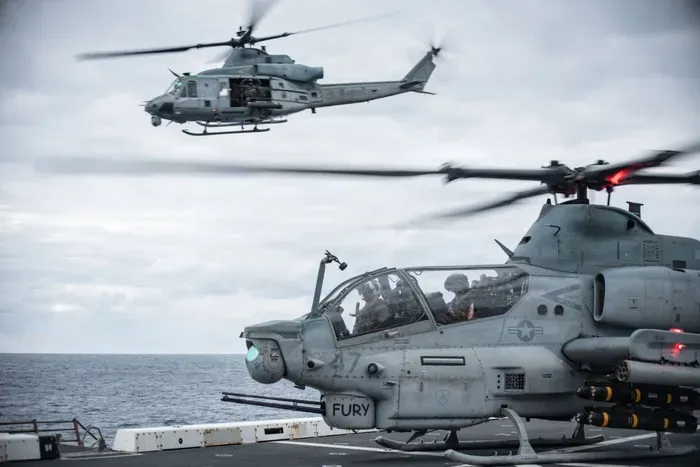
If you’re wondering why this matters now, it’s because the regional board was kicked over in January. With the U.S. military operation that removed Nicolás Maduro, the old playbook is in the trash. Rodríguez is trying to prove she can be a "reliable" partner while keeping the Venezuelan state from splintering. Colombia, meanwhile, is staring at a massive refugee crisis and a border crawling with ELN guerrillas who suddenly lost their biggest protector.
The Secret Meeting that Almost Wasn't
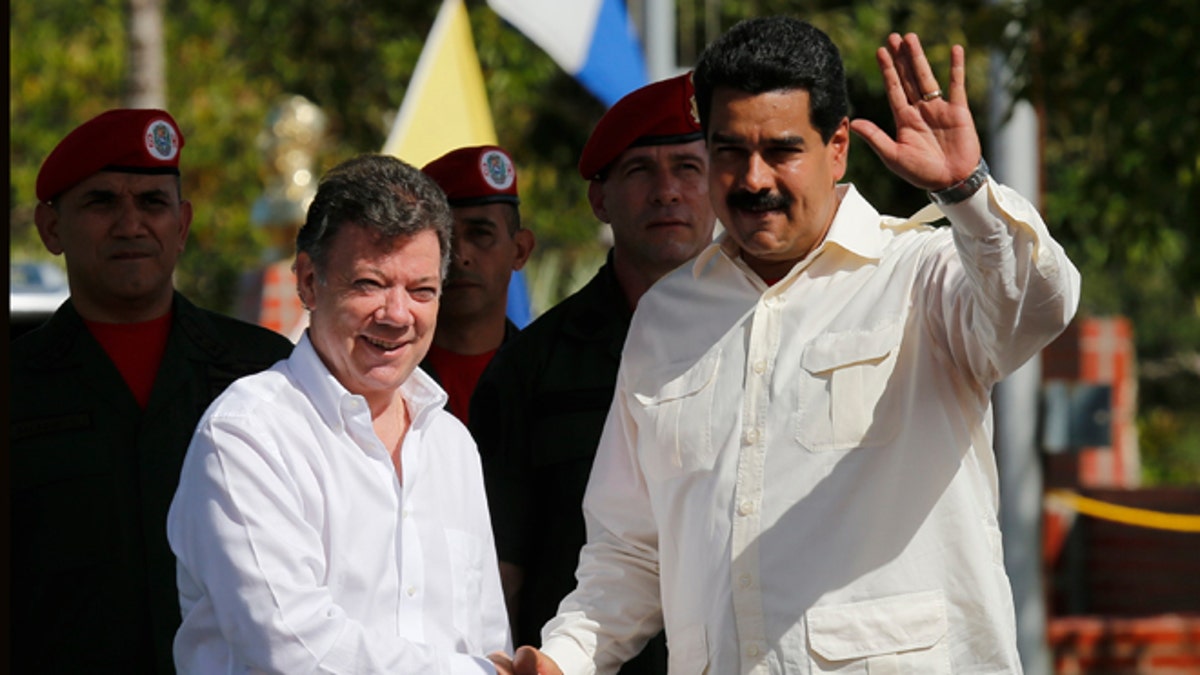
The optics were supposed to be different. A massive presidential summit at the Atanasio Girardot Bridge was scrapped at the last second. They blamed "force majeure," which is diplomatic speak for "we’re worried about an assassination or a riot." Instead, the heavy hitters met in Caracas on March 13. Colombian Defense Minister Pedro Sánchez and Foreign Minister Rosa Villavicencio went behind closed doors with their Venezuelan counterparts.
What they're actually talking about is a "permanent exchange of information." In plain English? They’re finally sharing data to kill the drug routes. Colombia has a massive trade surplus with Venezuela—nearly $1 billion last year—but that trade is meaningless if the trucks get hijacked by the ELN or FARC dissidents. Rodríguez knows that if she can’t secure the Táchira region, the U.S. won’t have any reason to keep the oil licenses flowing.
Sanctions are the Only Carrot Left
Rodríguez is playing a high-stakes game. She’s essentially telling Washington and Bogotá that security is a luxury they only get if the sanctions lift. During the Caracas meetings, she called these measures "unilateral coercive acts" that hurt everyone in Latin America. It's a clever pivot. She isn't just asking for money; she’s framing the end of sanctions as a regional security necessity.
The U.S. has already dangled the carrot. Since January, they’ve issued licenses for oil trade and even saw a $50 million barrel deal go through. But the "maximum pressure" framework is still technically there. Rodríguez wants a total wipe of the board. She’s betting that if she plays nice with Colombia’s President Petro, the U.S. will find it harder to justify keeping the handcuffs on.
The Invisible Threat in the Room
You can't talk about Venezuela-Colombia security without talking about the groups that actually run the border. The ELN (National Liberation Army) has turned Venezuelan territory into a sanctuary for decades. They’ve got camps in Zulia and Apure that the Venezuelan military used to ignore—or even help.
With Maduro gone, the ELN is in a panic. They’ve labeled the U.S. intervention "imperialist" and are reportedly digging in. This is the biggest headache for the new security pact. If Rodríguez actually starts helping the Colombian military target these groups, she risks an internal revolt from her own security forces who’ve been profiting from the contraband. If she doesn't, Petro has no reason to trust her.
Why the Gas Pipeline is a Major Clue
Watch the energy deals if you want to see where the real power lies. They're already talking about repairing the Antonio Ricaurte gas pipeline. It’s been a rusted-out pipe in the ground for years. Now, Ecopetrol and PDVSA are moving at "Trump speed" to fix it. This isn't just about heating homes; it’s about tying the two countries together so tightly that another total break in relations becomes too expensive to imagine.
What Happens Next
The "force majeure" that canceled the bridge summit suggests the transition is still incredibly shaky. You don't cancel a presidential meeting because of a flat tire. There's real fear about the "colectivos" and armed groups that still roam Caracas and the borderlands.
If you're looking for the next move, watch the border crossings in Norte de Santander. If the military presence there shifts from "guarding against invasion" to "patrolling against traffickers," we'll know the Rodríguez-Petro deal is actually real. For now, it’s a fragile truce built on the hope that oil money can buy a little peace and quiet.
Start by tracking the daily flow of goods at the Simon Bolivar Bridge. If the tonnage of Colombian exports continues to rise alongside these security talks, the economic gravity will likely pull these two governments into a permanent partnership, regardless of who is in the White House or Miraflores.