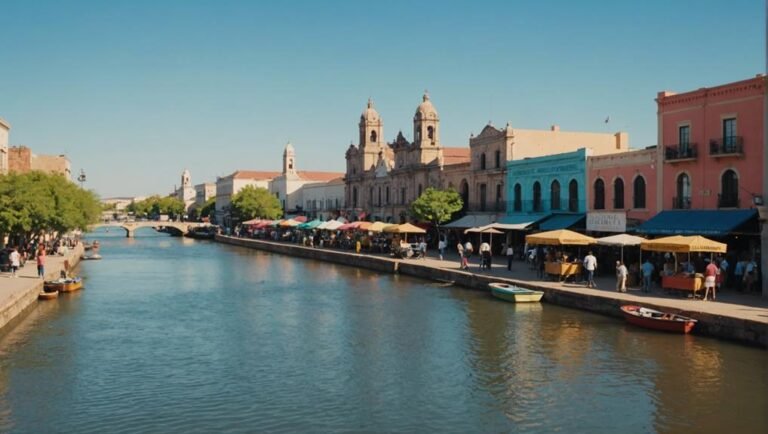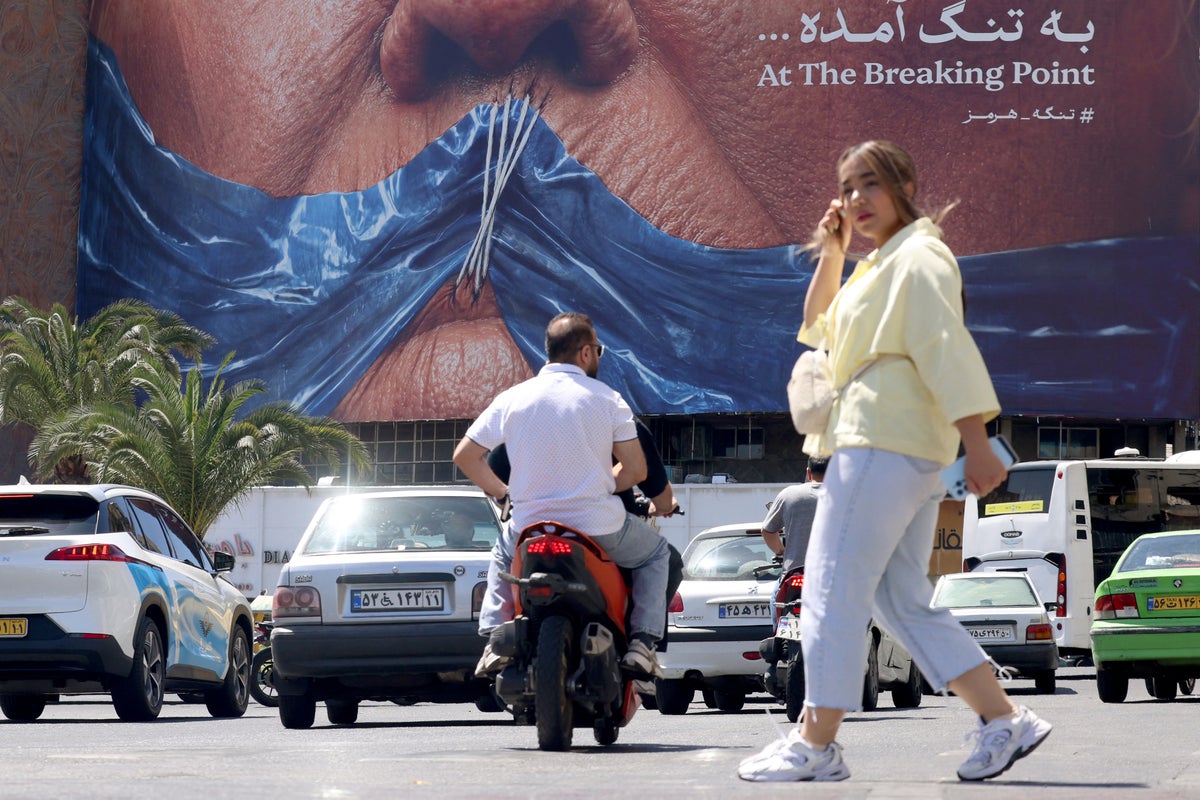
In a small café in Isfahan, the steam rising from a glass of black tea isn't just humidity. It is a clock ticking. For the shopkeeper behind the counter, every headline flashing on the wall-mounted television isn't "content" or "geopolitics." It is the price of the sugar he stirs into that tea. It is the cost of the medicine his daughter needs, currently stuck behind a wall of sanctions and bureaucratic spite. When the news ticker scrolls with the latest update on the friction between Washington and Tehran, he doesn't see a chess match. He sees a shadow lengthening over his doorstep.
The latest rupture in this decades-long friction point came not from a battlefield, but from a rejection. Donald Trump, standing before the familiar backdrop of the American presidency, recently declared that Tehran’s response to his latest peace proposal was "totally unacceptable." To the analysts in D.C., this is a pivot in strategy. To the family in Isfahan, it is the sound of a door slamming shut. Again.
This isn't just about two men in suits or two flags on a podium. It is about the invisible distance between a "proposal" and a "reality."
The Ghost at the Negotiating Table
Negotiation is often described as a dance, but in the context of the U.S. and Iran, it functions more like a hostage exchange where the hostage is the future of millions of people. When a proposal is sent across the ocean, it carries with it the baggage of 1953, 1979, and every year of bitterness in between. Trump’s offer, framed by his administration as a path toward a "great deal," was met with a counter-offer from the Iranian leadership that was essentially a non-starter for the American side.
Why? Because in the world of high-stakes diplomacy, the words on the paper are rarely the point. The point is the leverage.
Imagine two people standing on opposite sides of a narrow, crumbling bridge. One says, "Take three steps toward me and I'll give you a coat." The other replies, "Give me the coat first, then I’ll take one step." Neither trusts the bridge to hold. Neither trusts the other not to push. This is the structural flaw in the current diplomatic architecture. Trump demands a total shift in behavior—a cessation of enrichment and a retreat from regional influence—before the economic pressure eases. Tehran demands the easing of pressure before they will even discuss the terms of their defense.
It is a stalemate of pride.
The Arithmetic of Isolation
The "totally unacceptable" label isn't just a critique of policy; it is a signal of a returning tide. When diplomatic channels clog, the pressure has to go somewhere. It goes into the currency.
The Iranian rial doesn't just fluctuate; it gasps. When a peace proposal fails, the market reacts with the frantic energy of a bird trapped in a room. Prices for basic goods—meat, rice, oil—climb not by the year or the month, but by the afternoon. This is the "maximum pressure" campaign in its most visceral form. It is designed to make the status quo unbearable for the Iranian leadership by making life unbearable for the Iranian citizen.
Statistical data tells us that the Iranian economy has shrunk significantly under the weight of these sanctions, but statistics are a cold way to describe a mother choosing between a new pair of shoes for her son and a liter of cooking oil. The logic in Washington is that this pain will eventually force a "yes." The logic in Tehran is that "yes" under such conditions is a form of surrender that would dismantle the very identity of the Islamic Republic.
So, they wait. They endure. And they push back in the only ways they have left.
The Sound of One Hand Clapping
Donald Trump’s frustration stems from a businessman’s belief that everything has a price. In his view, the offer was generous, a "way out" for a country backed into a corner. From his perspective, the rejection is an act of irrationality or pure malice. He sees a stubborn regime clinging to a failed ideology while their house burns.
But consider the perspective from the other side of the carpet. To the Iranian hardliners, the proposal looked less like a bridge and more like a cage. They remember the 2015 nuclear deal—the JCPOA—which they signed, adhered to, and watched the United States walk away from in 2018. In their eyes, American promises are written in water. If you believe the person across the table will change the rules as soon as they get what they want, no offer is "acceptable."
This is the tragedy of the current moment. We are watching a conflict where both sides feel they are the victim of the other’s bad faith.
The Invisible Stakes
While the rhetoric heats up, the physical reality of the region remains precariously balanced. "Totally unacceptable" is a phrase that carries the scent of gunpowder. When words fail, the vacuum is filled by drones, by cyberattacks, and by the quiet, tense movements of carrier strike groups in the Strait of Hormuz.
The risk of a "hot" war isn't always a deliberate choice. It is often a mistake. It is a nervous sailor on a patrol boat or a misidentified signal on a radar screen. When the top-level communication is reduced to public denunciations and "unacceptable" labels, there is no one to pick up the phone when a spark flies. There is no safety valve.
The human element here isn't just the civilian in Isfahan or the soldier in the Persian Gulf. It is the psychological state of the leaders themselves. Pride is a dangerous variable in a nuclear-adjacent world. When a leader feels publicly insulted or backed into a corner where "no" is the only way to save face, the path toward a peaceful resolution becomes a narrow, treacherous ledge.
Beyond the Ticker Tape
The news will continue to report this as a series of statements. Trump said X. Tehran responded with Y. The markets moved by Z.
But the real story is the silence that follows. It is the silence of a diplomatic channel that has gone cold. It is the silence in a home where the heater is off because the parts can't be imported. It is the silence of a world waiting for a sign that the two most powerful forces in this decades-long drama can find a language that doesn't involve the word "unacceptable."
Until then, the bridge remains empty. The bridge remains crumbling. And the people on both sides continue to pay the toll for a crossing that never happens.
The shopkeeper in Isfahan turns off his television. The tea is cold now. He doesn't know if the next proposal will be better, or if the current rejection is the start of something much louder than a headline. He only knows that tomorrow, the price of sugar will be higher. He only knows that the world feels a little bit smaller, and the shadow over his door a little bit darker.
Power is the ability to say "no." Peace is the courage to find a way to say "perhaps." Right now, the world is very powerful, and very, very afraid.