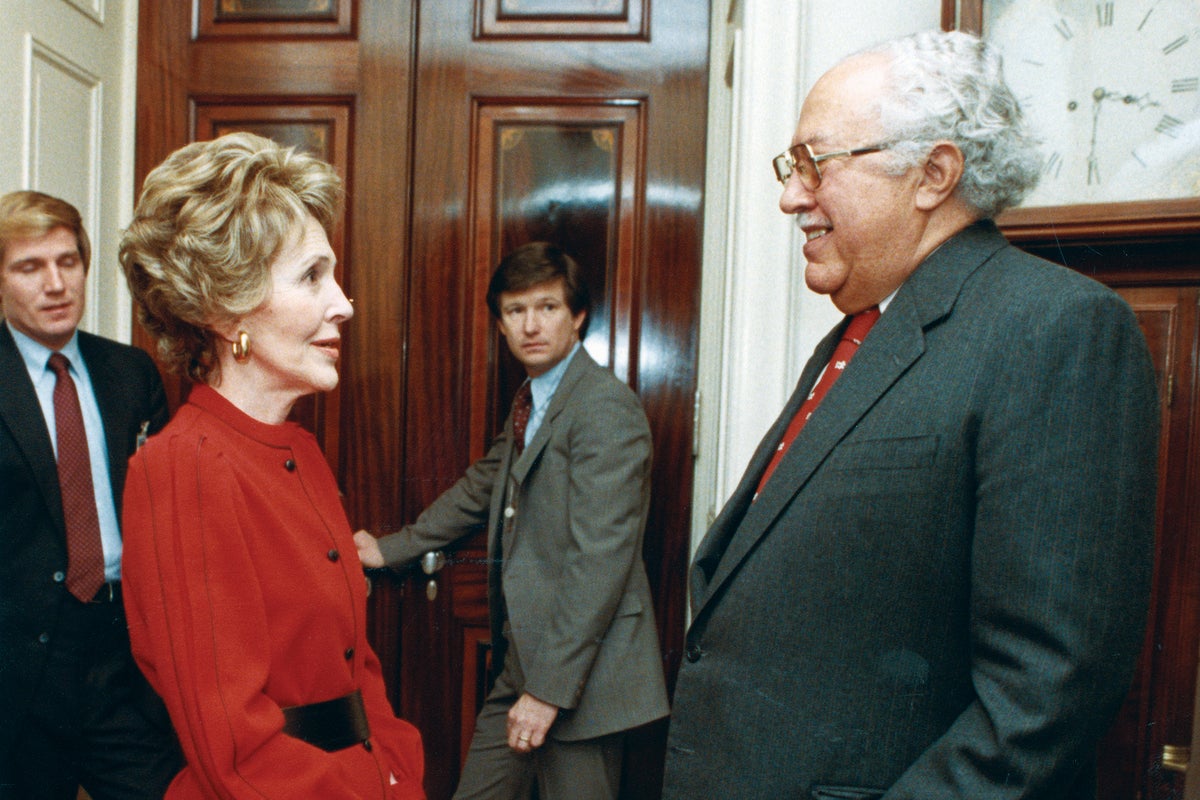
The Fields family spent eighty-seven years in the White House. From Hoover to Obama, they were the "invisible" constants of the West Wing. The media loves this story. They frame it as a heartwarming tapestry of loyalty, a multi-generational commitment to the highest office in the land. They want you to see the "service."
I see a structural failure.
When we celebrate "the family that served 13 presidents," we aren't celebrating public service. We are celebrating the calcification of the American executive branch. We are romanticizing the fact that for nearly a century, one of the most influential environments on earth operated on the logic of a medieval court rather than a modern meritocracy.
If a Fortune 500 company bragged that the same family had managed their C-suite logistics since the Great Depression, the board would be fired. Investors would flee. Why? Because institutional inertia is the silent killer of innovation. Yet, when it comes to the White House, we pretend that "tradition" is a valid substitute for fresh blood.
The Myth of the Neutral Servant
The common narrative suggests that staff like the Fields family—or the Allens, or the abroad-reaching dynasties of the diplomatic corps—are neutral vessels. They are the "stagehands of history." This is a fundamental misunderstanding of how power functions.
In any high-stakes environment, the person who controls the physical space controls the outcome. If you have been in the room for eighty years, you aren't just serving the President; you are gatekeeping the presidency. You are the one who knows "how things are done." In Washington, "how things are done" is the most dangerous phrase in the English language. It is the verbal equivalent of concrete.
The "servant" isn't a blank slate. They are the keepers of the institutional ego. When a new, disruptive administration comes in—whether you liked their politics or not—they are immediately met by a staff that has survived a dozen previous "disruptors." The staff doesn't adapt to the President; the President is subtly, systematically shaped by the staff.
The Cost of Institutional Memory
We are told that institutional memory is a gift. It isn't. It’s a weight.
Imagine a scenario where a newly elected leader wants to completely overhaul the way the executive residence interacts with the public. They want to strip away the pomp. They want to modernize the workflow. They are immediately told, "Well, the Fields family has done it this way since Eisenhower, and it worked for him."
That isn't a helpful tip. It's a veto.
When service becomes a dynasty, the office becomes a museum. We stop asking "Should we do this?" and start asking "How did we do this in 1954?" This creates a psychological lag. The White House should be the most forward-thinking, adaptive workspace in the country. Instead, it is often the last place to adopt new cultural or operational standards because it is staffed by people whose primary qualification is that they’ve seen it all before.
If you’ve seen it all before, you aren't looking for what’s coming next. You’re looking for a repeat of the past.
The Nepotism We Choose to Ignore
We scream about political nepotism. We hate it when a President hires his son-in-law or his daughter. We call it a threat to democracy. But when the kitchen staff, the groundskeepers, and the ushers pass their jobs down like family heirlooms, we write human interest stories about it.
This is a massive logical inconsistency.
A "family dynasty" in the White House is still a dynasty. It creates a closed loop. It ensures that the perspectives within the walls of 1600 Pennsylvania Avenue remain incredibly narrow. If the same lineage is handling the day-to-day operations for eighty years, they are hiring people who look like them, think like them, and respect the same outdated hierarchies.
I’ve spent years analyzing organizational behavior in the private sector. The most toxic thing you can do to a culture is to create "unfireable" legends. When a staff member becomes a "legend," they become bigger than the job. They become a sacred cow.
Breaking the "Upstairs Downstairs" Delusion
The media loves the Downton Abbey vibe of the White House. It makes for great TV. But the United States was founded specifically to reject the "Upstairs Downstairs" model of governance.
By lionizing multi-generational service, we are subconsciously endorsing a class system. we are saying that there is a "ruling class" and a "serving class," and that both should stay in their lanes for a century. This is the antithesis of the American experiment.
True service is temporary. It is a sprint, not a marathon. It should be intense, transformative, and then it should end. You should give your best years to the country and then get out of the way so the next generation—with their new ideas, their different backgrounds, and their lack of "how we’ve always done it"—can take the reins.
The Brutal Truth About Loyalty
The competitor article argues that this family’s loyalty was their greatest attribute.
Loyalty is a double-edged sword. In a democracy, your loyalty should be to the Constitution and the evolving will of the people, not to the building or the "way of life" inside it. Long-term staff often become more loyal to the institution of the presidency than to the office of the President.
They protect the image. They protect the walls. They protect the routine.
But sometimes, the routine needs to be smashed. If you are there for 13 presidents, you aren't a witness to history; you are a stabilizer. And stabilizers, while comfortable, are the enemies of progress. They prevent the ship from tipping, but they also prevent it from turning.
How to Fix the Executive Culture
If we actually wanted a White House that reflected the country, we would implement the following:
- Term Limits for Non-Political Staff: No one, from the Chief Usher to the lead chef, should stay more than two administrations. If eight years is enough for the person with the nuclear codes, it’s enough for the person making the soufflé.
- External Audits of Operational Flow: Stop relying on "how it’s been done." Bring in logistics experts from outside the DC bubble every four years to reset the residence.
- Blind Hiring Initiatives: Break the "family friend" and "legacy" hiring chains. The fact that a job "runs in the family" should be a disqualifier, not a resume booster.
We need to stop treating the White House like a palace and start treating it like a high-performance hub. The Fields family worked hard, and by all accounts, they were decent people. But their eighty-year tenure isn't a success story for America. It's a symptom of a government that has forgotten how to refresh itself.
Stop falling for the nostalgia. The "good old days" were often just inefficient days. We don't need servants who remember how Kennedy liked his coffee. We need a system that is as dynamic and diverse as the people it supposedly represents.
The next time you see a headline celebrating a century of service, ask yourself: Who was kept out of the room so that one family could stay in it?
The era of the White House dynasty needs to end. If we want a government of the future, we have to stop staffing it with the ghosts of the past.
Burn the "Upstairs Downstairs" playbook. Hire for the mission, not the memory.
Empty the building. Start over.