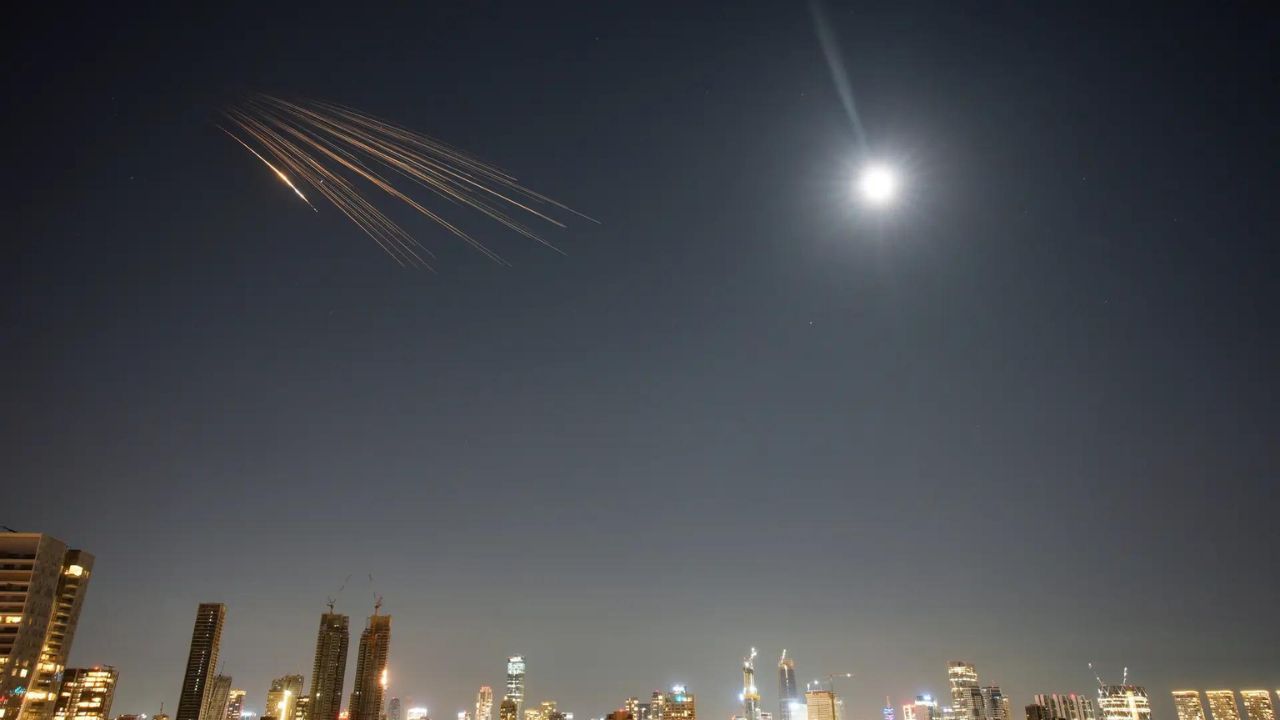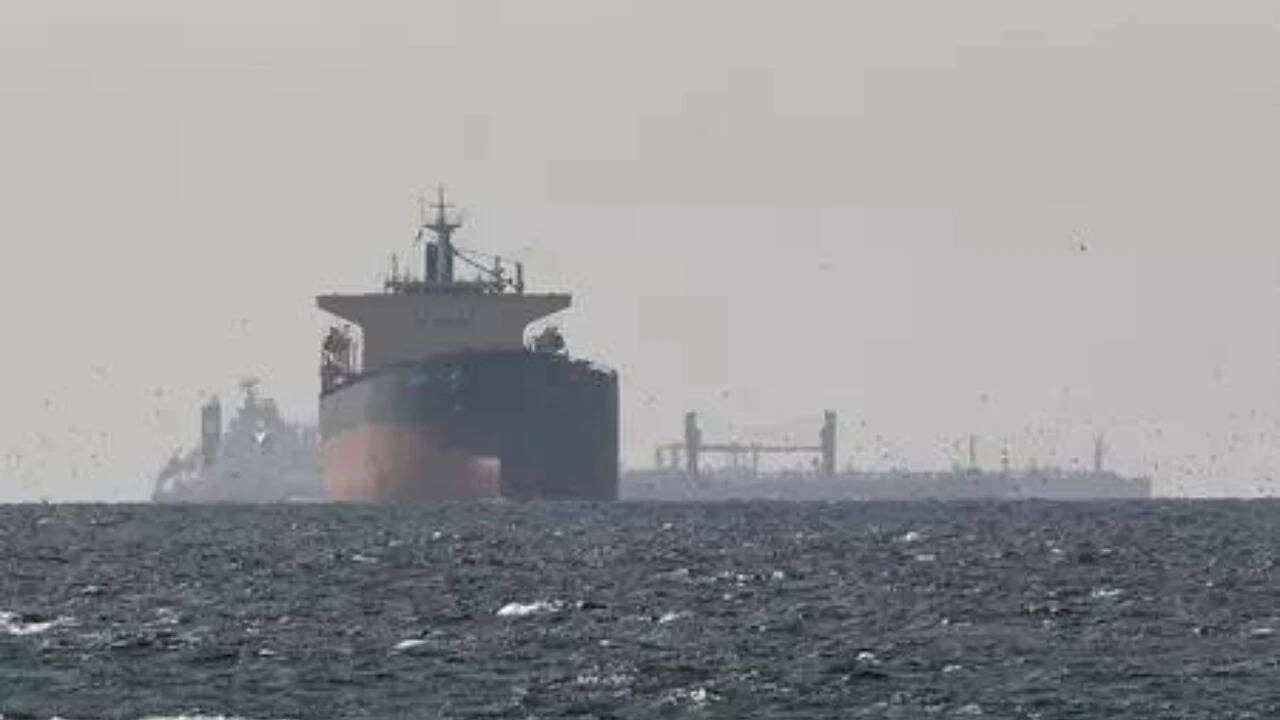
The global energy market just breathed a collective, albeit shaky, sigh of relief. On March 21, 2026, the US military confirmed it successfully "took out" a critical Iranian coastal base that’s been the primary source of grief for oil tankers trying to squeeze through the Strait of Hormuz. For weeks, the world has watched gas prices tick upward as Tehran effectively choked off one of the most vital veins in the global economy. This latest strike isn't just another headline; it’s a direct attempt to break a siege that’s been strangling 20% of the world's oil supply.
The 5,000 Pound Message to Tehran
Admiral Brad Cooper, head of US Central Command (CENTCOM), didn't mince words in his video statement. US warplanes dropped 5,000-pound bunker-buster bombs on a hardened underground facility carved into Iran's coastline. This wasn't a random warehouse. It was a nerve center for anti-ship cruise missiles and mobile launchers.
But the real win wasn't just hitting the missiles. Cooper noted that the strike also wiped out intelligence support sites and radar relays. These are the "eyes" the IRGC (Islamic Revolutionary Guard Corps) uses to track ship movements and time their hits. Without those radars, their ability to harass commercial shipping drops significantly. You can have all the missiles in the world, but if you can’t see what you’re shooting at, you’re just wasting expensive hardware.
The timing was deliberate. The strike happened as thousands in Iran were marking Eid al-Fitr. It’s a move that signals Washington is done waiting for diplomatic niceties while the global economy bleeds.
Why the Strait of Hormuz Matters to Your Wallet
If you've noticed the price at the pump nearing $4 a gallon lately, this is why. The Strait of Hormuz is barely 21 miles wide at its narrowest point. It’s a massive chokepoint. During peacetime, roughly 20 million barrels of oil flow through here every single day.
Since the US-Israel conflict with Iran kicked off on February 28—following the assassination of Supreme Leader Ali Khamenei—the waterway has been a graveyard for maritime safety. We’ve seen:
- Over 15 tankers targeted or damaged by projectiles and sea drones.
- A 70% reduction in commercial traffic.
- Insurance companies pulling "war risk" coverage, making it financially suicidal for most ship owners to enter the Gulf.
The "de facto" closure has sent Brent crude skyrocketing by over 50% in a month. While President Trump has claimed the US is "energy independent" and doesn't need the Gulf’s oil, that’s a bit of a stretch. Oil is a global commodity. When 20% of the supply vanishes, the price goes up for everyone, whether you’re drilling in Texas or Riyadh.
The British Connection and the Diego Garcia Scare
You might wonder why the UK is suddenly so involved. Prime Minister Keir Starmer recently gave the green light for the US to use British bases—specifically RAF Fairford and the Diego Garcia base in the Indian Ocean—for these strikes. This was a massive shift. Starmer originally balked, but Iran’s decision to launch a long-range ballistic missile at Diego Garcia changed the math.
That missile strike was a shocker. Diego Garcia is 4,000 kilometers away from Iran. Nobody thought Tehran had the reach to touch a base that far out. Experts like William Alberque from the Pacific Forum suggest the Iranians might have modified prototype missiles by stripping down payloads to extend their range. Even though the strike failed to hit anything vital, it proved Iran can reach out and touch Western assets far beyond the Persian Gulf.
A Resilient Enemy
Don't think one bunker-buster is going to end this. Analysts like Neil Quilliam from Chatham House are pointing out something the Pentagon might have underestimated: Iranian resilience. The IRGC has spent decades preparing for this exact scenario. They’ve got deep roots and a decentralized command structure.
Even with their top leadership decapitated, they’re still moving mobile launchers under the cover of night. They’re using civilian ports to hide military gear—a tactic that prompted a stern CENTCOM warning to Iranian civilians to stay away from port facilities. Iran’s Foreign Minister, Abbas Araghchi, is still playing the "we're the victims" card, claiming they only restrict ships from "hostile" nations. But at sea, a missile doesn't always check the flag before it impacts.
What This Means for the Next 48 Hours
The strike on the coastal base is a tactical win, but it’s part of a much larger, uglier picture. Here is what you should be watching:
- Market Reaction: Look for a slight dip in oil futures, but don't expect a crash. Traders are still terrified of sea mines.
- The "New Regime": Iranian officials are already talking about a "new regime" for the Strait, suggesting they want to permanently change the rules of passage even after the war ends.
- Escort Operations: Expect to see more "Operation Prosperity Guardian" style escorts. If the US can’t kill every missile launcher, they’ll have to shield every tanker.
If you’re a business owner or just someone worried about energy costs, keep an eye on the insurance markets. Until the "war risk" designations are lifted, the Strait is still effectively closed for business, regardless of how many bunkers the US flips.
Your next move is to monitor the IEA's release of strategic reserves. They’ve promised 400 million barrels to bridge the gap, but that’s a band-aid, not a cure. If you're planning travel or shipping logistics for the spring, assume the "Hormuz Premium" on fuel isn't going away anytime soon.