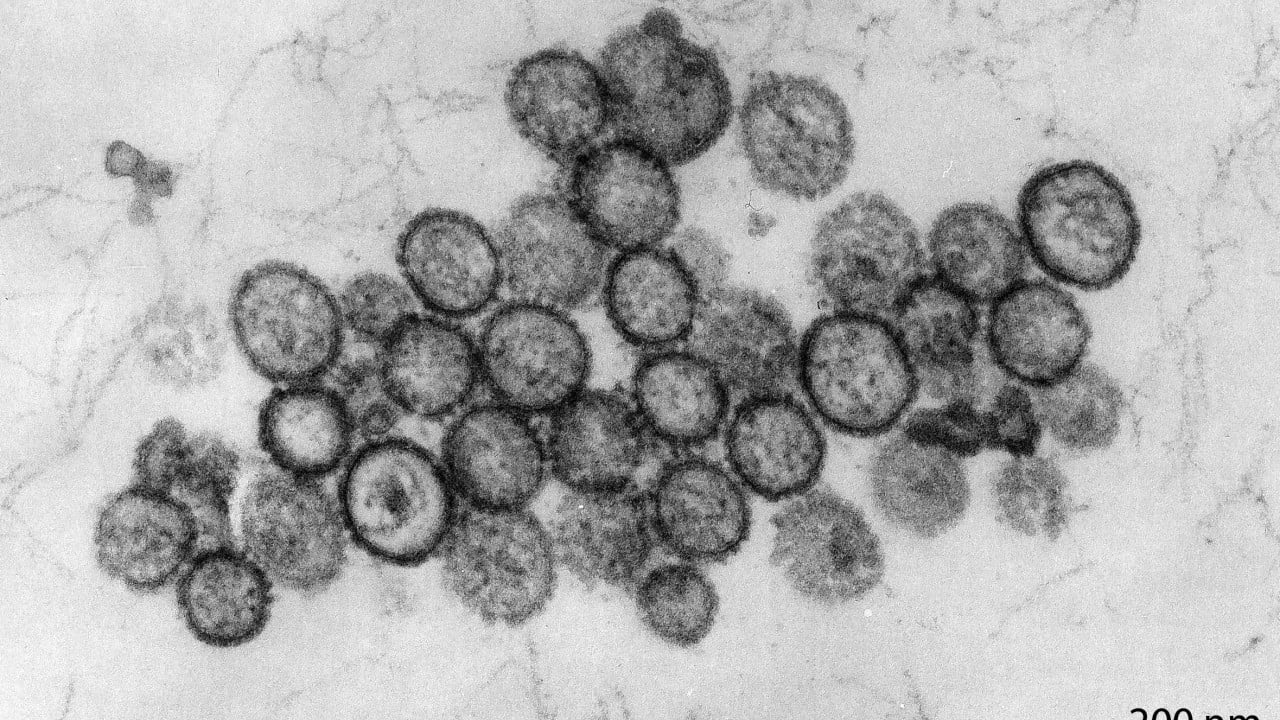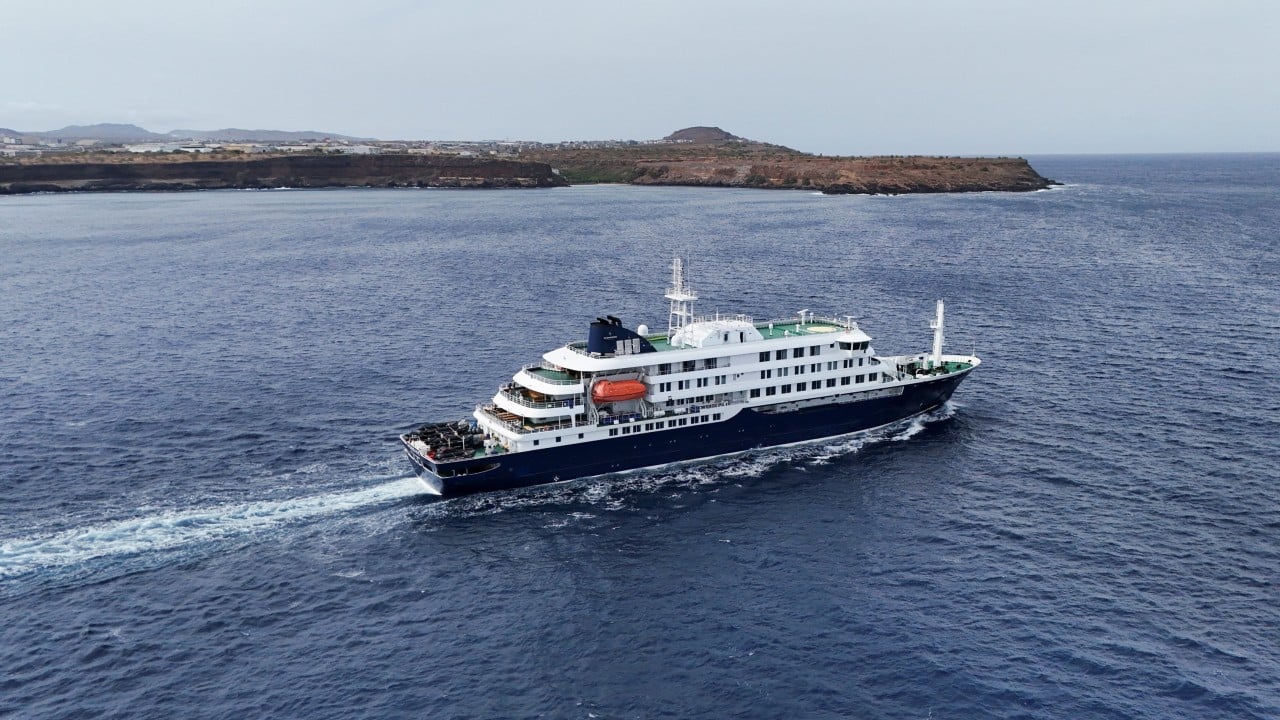
Singaporean health officials have isolated two residents who recently returned from the MV Hondius, an expedition ship currently battling a rare and aggressive hantavirus outbreak. This is not a drill for the Ministry of Health. By placing these individuals under strict quarantine, the city-state is attempting to sever a transmission chain before it reaches the dense urban core. While hantaviruses typically do not jump from person to person, the specific circumstances of this maritime cluster have forced a high-stakes containment strategy that goes beyond standard operating procedures.
The situation began in the frigid waters of the South Atlantic. The MV Hondius, a vessel designed for polar exploration, became an incubator for a pathogen usually associated with rural landmasses, not luxury cabins. As passengers began showing signs of hemorrhagic fever and pulmonary distress, the vessel turned into a floating case study in epidemiological failure. Singapore, acting on data from international maritime health registries, intercepted the returning residents at the border.
The Rodent in the Steel Hull
Hantaviruses are a family of viruses spread mainly by rodents. Usually, a person catches it by breathing in air contaminated with droppings, urine, or saliva from infected mice or rats. On a ship, the dynamics of air circulation change everything. The MV Hondius represents a unique failure of biosecurity. Modern expedition ships are built with sophisticated HVAC systems, but these same systems can inadvertently distribute viral particles across multiple decks if a single storage locker becomes infested.
We have seen this before, but rarely in the context of high-end tourism. The investigation into the ship's supply chain is now the primary focus for international inspectors. If the rodents entered the ship through food crates or equipment loaded at a remote port, the liability for the operator is immense. Singapore is not waiting for the cruise line to finish its internal audit. They are treating the two isolated residents as potential "canaries in the coal mine" for a mutation or a particularly high viral load exposure.
Breaking the Transmission Myths
Most public health textbooks will tell you that hantavirus stays within the realm of "zoonotic" spillover, meaning it stops at the first human. However, the Andes variant of hantavirus has already proven that human-to-human transmission is possible under the right conditions. This is the shadow hanging over the Singapore isolation wards.
If these two residents are carrying a strain that has adapted even slightly to human biology, the containment at the National Centre for Infectious Diseases (NCID) becomes the most important barrier in the region. The symptoms are brutal. It starts with a deceptive fever and muscle aches, often dismissed as common fatigue or a mild flu. Then, the lungs begin to fill with fluid. In the "Pulmonary Syndrome" phase, the mortality rate can climb toward 40 percent.
Singapore’s medical infrastructure is built for this. Since the 2003 SARS outbreak, the city has maintained a permanent state of readiness. The isolation rooms use negative pressure to ensure no air escapes into the hallways. Staff wear full-body protection. Every contact these two residents had from the moment they stepped off the plane has been traced with the surgical precision of a counter-terrorism operation.
The Maritime Loophole
The MV Hondius outbreak exposes a massive gap in how we monitor expedition vessels. Unlike massive 5,000-passenger cruise ships that dock at major hubs with heavy oversight, smaller expedition ships often frequent remote, less-regulated ports. These ports might lack the rigorous pest control standards found in Singapore or Rotterdam.
A single "stowaway" rodent in a cargo of dry goods can trigger a disaster. On the MV Hondius, the confined nature of the cabins meant that passengers were breathing recycled air in close proximity for weeks. This is the "Why" that many reports missed. It wasn't just about a dirty ship; it was about the physics of air and the biology of a virus that thrives in dust.
The financial fallout for the expedition industry will be significant. Insurance premiums for "adventure" cruises are already some of the highest in the world. When a ship like the Hondius becomes synonymous with a deadly pathogen, the "luxury" branding evaporates. Investors are watching how Singapore handles these two cases because the city’s response often sets the standard for how the rest of the world will react to maritime health threats.
Surveillance and the Shadow of Doubt
There is a tension between public calm and private urgency. The Ministry of Health has been careful to state that the risk to the general public is low. This is technically true, provided the isolation remains airtight. But the "How" of the isolation process suggests they are worried about more than just a standard infection.
The blood samples from the isolated residents are currently undergoing deep genomic sequencing. Scientists are looking for specific markers that indicate how the virus interacted with the host's immune system. If the viral load is abnormally high, it suggests the ship’s environment was even more saturated than initially feared.
We must also consider the timeline. Hantavirus has an incubation period that can last up to eight weeks. This means the two people currently in isolation might be the first of many. There are likely other passengers from that same voyage currently walking through airports in London, New York, or Sydney, unaware that they are carrying a biological time bomb. Singapore is the only jurisdiction that has acted with this level of aggression, a move that reflects its status as a global transit hub that cannot afford a single mistake.
The Logistics of Containment
To understand the scale of the operation, look at the waste management. Everything that leaves the isolation rooms—food trays, bedding, medical waste—is treated as a high-level biohazard. It is autoclaved at extreme temperatures before it even leaves the facility. This is the "hard-hitting" reality of infectious disease management. It is a grind of protocols and checklists designed to defeat an invisible enemy that does not care about borders or boat tickets.
The residents themselves are in a state of clinical limbo. They are being monitored for "Hantavirus Pulmonary Syndrome" (HPS) and "Hemorrhagic Fever with Renal Syndrome" (HFRS). Depending on the strain, the virus can attack either the lungs or the kidneys. In both cases, the treatment is purely supportive. There is no cure. There is no specific antiviral that can kill the hantavirus once it has taken hold. You simply keep the patient breathing and hope their immune system can catch up.
A Warning to the Industry
The MV Hondius is a warning shot. The expedition cruise industry has grown faster than the regulatory frameworks that govern it. We are sending more people into more remote environments, often bringing them into contact with wildlife and pathogens they have no immunity against.
If a ship cannot guarantee a rodent-free environment, it cannot guarantee the safety of its passengers. The Singaporean residents isolated today are the physical manifestation of a systemic failure in maritime hygiene. The question isn't just about these two individuals; it's about the hundreds of other vessels currently at sea with similar vulnerabilities.
The Ministry of Health’s decision to move straight to isolation rather than simple "home notice" monitoring tells you everything you need to know about the severity of the data they are seeing from the MV Hondius. They are not playing the odds. They are closing the door.
Every hour these residents remain stable is a win for the NCID, but the window for the virus to manifest is still wide open. The medical teams are looking for the slightest drop in blood pressure or the first sign of a persistent cough. In the world of high-consequence pathogens, the first symptom is often the beginning of the end of the containment phase.
Singapore’s perimeter is holding for now, but the global nature of the MV Hondius's passenger list means this story is far from over. The ship is just a vessel; the virus is a passenger that doesn't need a passport to cross the next border. Watch the telemetry of the patients' oxygen levels, because that is where the real battle is being fought.