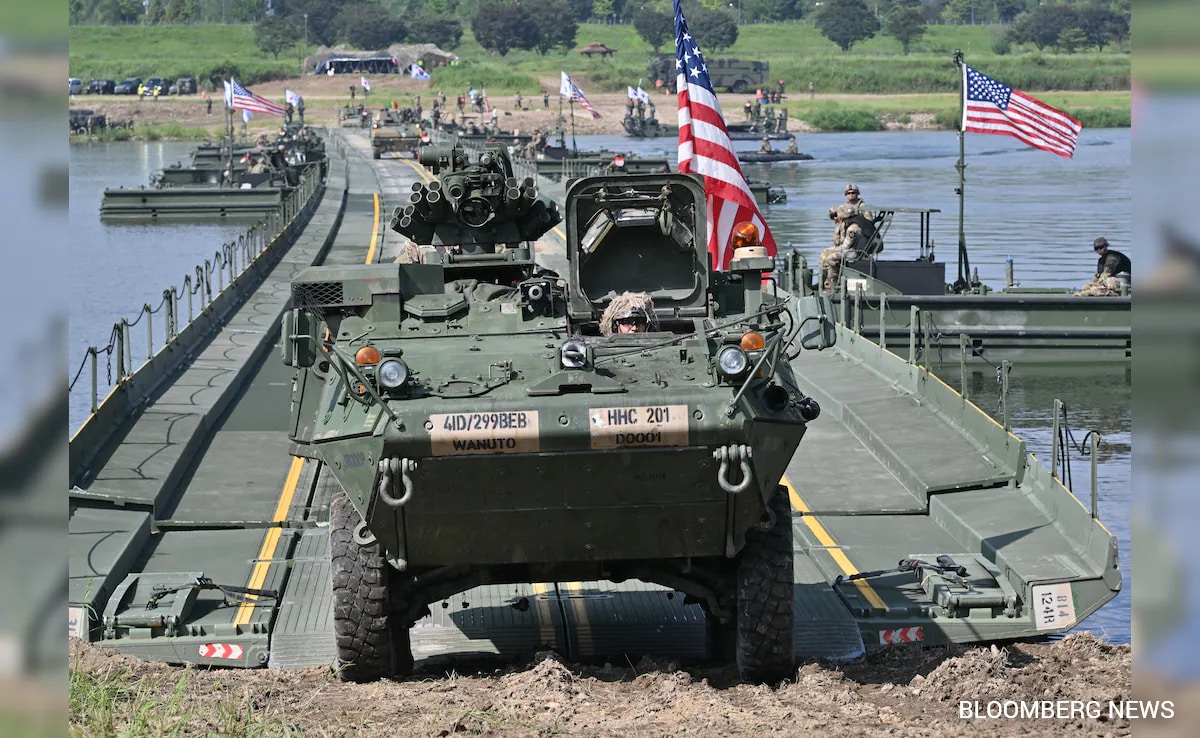
The scaling back of Freedom Shield 2026 is not a tactical adjustment; it is a white flag. While the official line from the Pentagon and Seoul’s Ministry of National Defense emphasizes "multi-domain readiness" and "shifting to computer simulations," the ground reality is far more transactional.
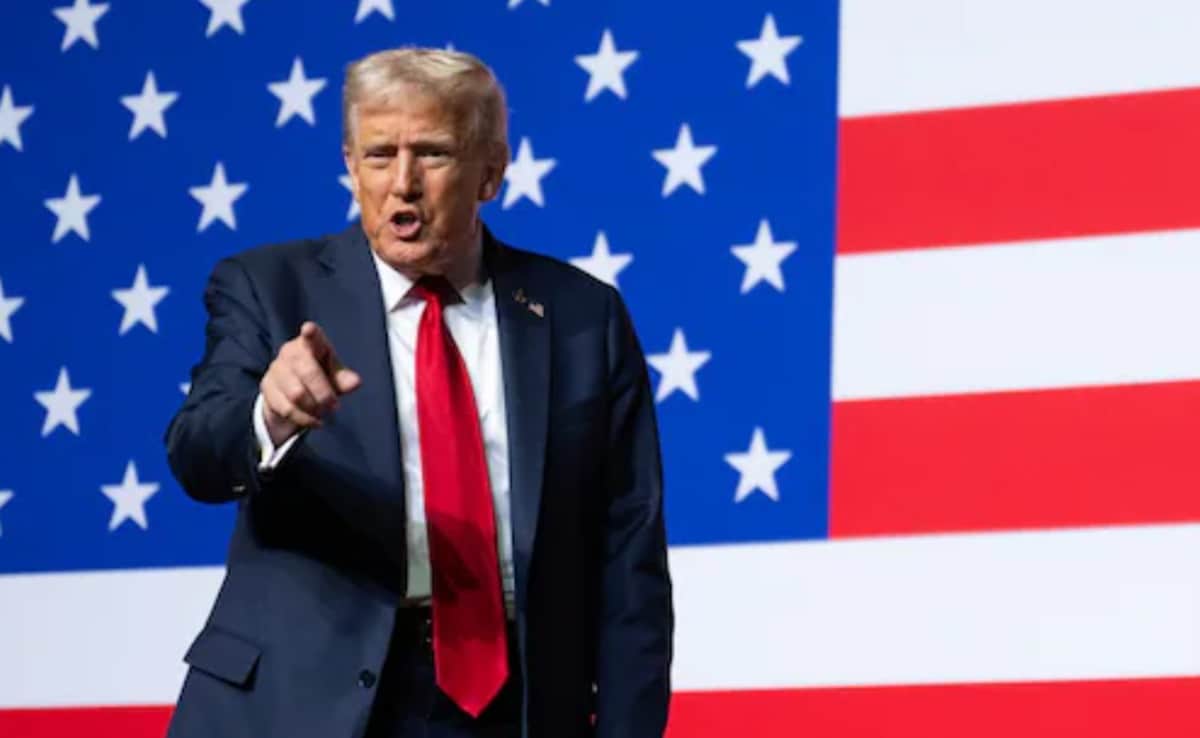
As of March 9, 2026, the number of field training exercises in the spring cycle has plummeted to 22, down from 51 just a year ago. On the surface, this looks like a diplomatic olive branch extended toward Pyongyang. Dig deeper, and you find the fingerprints of a much larger geopolitical trade-off. President Donald Trump is preparing for a high-stakes summit with Xi Jinping in late March, and the reduction of "provocative" and "expensive" war games is the entry fee Beijing demanded to keep the 2025 trade truce alive.
The Cost of the Golden Fleet
The administrative shift under the 2026 National Defense Strategy (NDS) has fundamentally rewired how the U.S. views its presence in the Indo-Pacific. The goal is no longer just containment; it is industrial endurance.
The U.S. Navy currently floats 290 ships against China’s 331. But the math of a potential conflict in the Taiwan Strait or the East China Sea isn't about the initial broadside. It’s about who can repair and replace hulls faster. Beijing can surge roughly 5,500 vessels by tapping into its merchant marine and coast guard. The U.S. has about 80 auxiliary ships.
To bridge this "shipyard gap," the Trump administration has introduced the Maritime Action Plan, a desperate attempt to integrate South Korean and Japanese shipbuilding capacity into a "Golden Fleet" ecosystem. However, this integration comes with a price tag. Seoul is being squeezed to increase its defense spending to 3.8% of its GDP. To make that pill easier to swallow, Washington is quietly allowing the scale of joint maneuvers to atrophy, reducing the immediate operational burden on a South Korean military that is increasingly wary of being caught between its largest security guarantor and its largest trading partner.
The Middle East Vacuum
While the drills in Paju and across the Korean peninsula are being mothballed, U.S. assets are quietly vanishing. For the first time in decades, the "pivot to Asia" is being reversed by necessity.
The escalating conflict with Iran has forced the Pentagon to relocate critical hardware from the Pacific. Patriot anti-missile batteries and specialized logistics units once earmarked for the defense of Seoul are being diverted to the Middle East. This "Operation Southern Spear" has created a hollowed-out posture in South Korea.
Internal documents suggest that up to 4,500 U.S. troops could be redeployed from the peninsula to Guam and the "first island chain" by the end of 2026. By scaling down the drills now, the administration avoids the optics of being unable to fulfill the requirements of a full-scale exercise. It is easier to call a retreat a "diplomatic pivot" than to admit the shelves are empty.
Xi Jinping’s Long Game
Beijing is not merely watching these developments; it is engineering them. Foreign Minister Wang Yi has called 2026 a "landmark year" for a reason. By dangling the carrot of agricultural purchases and a continuation of the trade truce, Xi Jinping has secured a "strategic calm" that allows China to continue its own massive military expansion without the friction of large-scale U.S.-ROK exercises nearby.
The irony is thick. The U.S. is scaling down its drills to "create conditions for dialogue" with a North Korea that has essentially stopped picking up the phone since 2019. Meanwhile, Kim Jong Un has used this breathing room to align with Moscow, sending thousands of troops to Ukraine to gain combat experience that he will inevitably use to train his own elite special forces back home.
The Shipbuilding Disparity
The 2026 NDS is clear: the U.S. is "dangerously behind" in its maritime industrial base. The domestic yards of Huntington Ingalls and General Dynamics are at capacity. Without a "fully integrated, long-term allied shipbuilding ecosystem" involving Seoul’s industrial giants, the U.S. fleet is a glass cannon.
The scaling down of military drills is the currency of the moment. It is being spent to buy time to rebuild a broken industrial engine. But by trading the current readiness of the 28,500 troops stationed in South Korea for the hope of a "Golden Fleet" by 2030, Washington is betting on a future it might not survive.
The End of Strategic Ambiguity
This isn't about the cost of the fuel for the tanks or the salaries of the soldiers. This is about the total reorientation of the U.S. presence in the Pacific. The U.S.-ROK alliance is being "modernized," which in Washington-speak means Seoul is being asked to pay more while getting less.
The abrupt end of Freedom Shield 2026's field training marks the death of the old alliance model. The U.S. can no longer afford to be the sole security guarantor of the Pacific while fighting a hot war in the Middle East and a trade war with China.
The real story isn't the drills being scaled back. It's the void they leave behind.