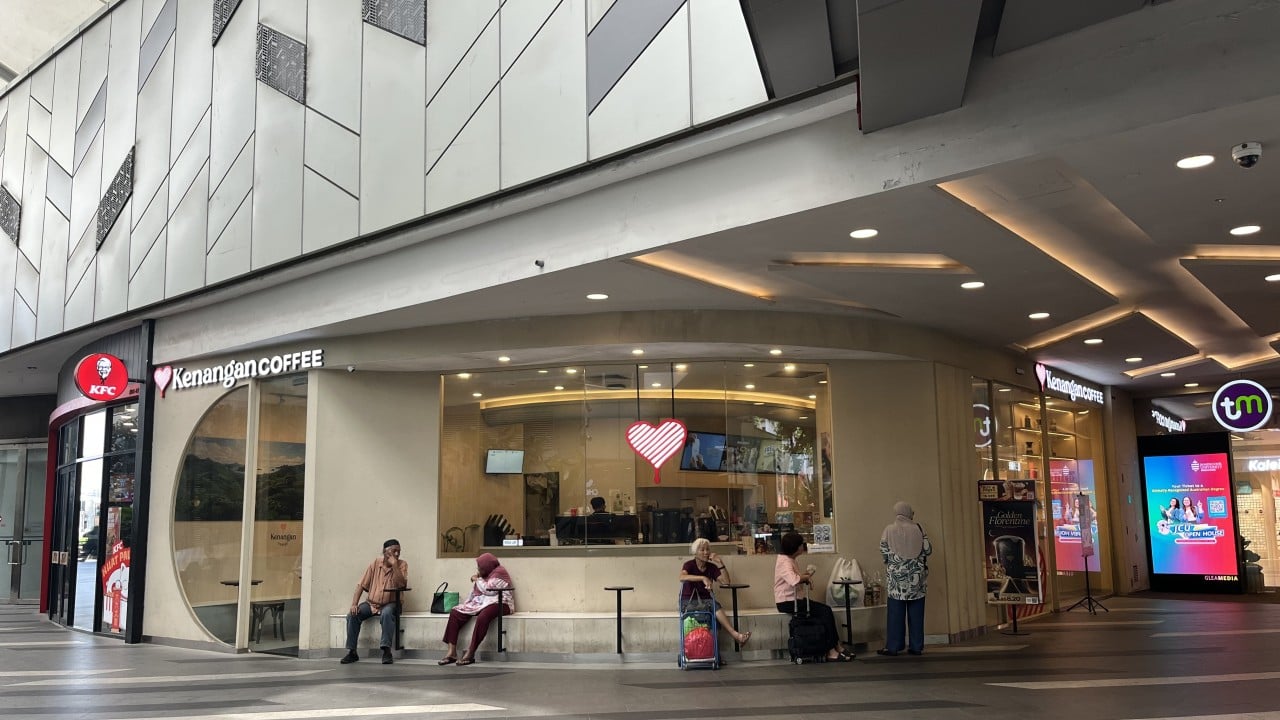
The prevailing narrative in the regional business press reads like a fairy tale. It tells a story of "local champions" like Kopi Kenangan and Flash Coffee conquering the map through digital-first models and the sheer weight of venture capital. Analysts point to the rise of the middle class and high smartphone penetration as proof that Southeast Asian coffee brands are ready to eat Starbucks’ lunch.
They are wrong.
Most of these brands aren't expanding because they’ve mastered the art of the brew or the science of the supply chain. They are expanding because they are trapped on a venture capital treadmill that demands growth at the expense of unit economics. What looks like a "cross-border success" is often just a frantic attempt to find a new market before the burn rate catches up to the bank balance.
The Myth of the Exportable Local Taste
The first mistake these chains make is assuming that a "Southeast Asian" palate actually exists. It doesn’t.
What works in Jakarta—heavy palm sugar, thick condensed milk, and high-fructose syrups—crashes and burns in Singapore or Bangkok. In Jakarta, coffee is often a dessert disguised as a caffeine fix. In Singapore, you are competing against the $1.50 SGD kopi from the local hawker center or the high-end specialty roasters who have spent a decade educating the public on acidity and origin.
I have seen companies dump millions into the Malaysian market thinking that geographic proximity equals cultural similarity. It's a fatal arrogance. When you cross a border in this region, you aren't just changing currencies; you are entering a completely different competitive ecosystem.
The "lazy consensus" says that being a regional player is an advantage. In reality, it’s a logistical nightmare. Every new country requires a new set of suppliers, a new cold chain, and a new regulatory headache. Unless you have the scale of a global titan, "regional expansion" is just a fancy way of saying "I want to double my overhead while halving my focus."
The Tech-First Fallacy
The industry is currently obsessed with "grab-and-go" apps. The logic is simple: remove the seating, remove the baristas’ small talk, and use an app to streamline everything. This is touted as a revolutionary way to lower CAPEX and increase throughput.
Here is the truth: People do not buy coffee from apps because they love the tech. They buy it because it’s subsidized.
The growth metrics of these "digital-first" chains are propped up by a constant stream of "Buy 1 Get 1" vouchers and aggressive referral discounts. This isn't brand loyalty; it's a bribe. The moment the subsidies stop—which they must when the VC funding dries up—the customer churn is catastrophic.
Why Your App Is Not a Moat
- Platform Fatigue: Consumers don't want fifteen different coffee apps on their phones.
- The Delivery Trap: Grab and Gojek take a massive cut of the margins. If you aren't the primary platform, you are just a low-margin food prep station for someone else's logistics business.
- Data Without Insight: Collecting data on how many people buy lattes on a Tuesday is useless if you don't have the operational flexibility to act on it. Most chains use data to send more spammy notifications, not to improve the product.
Real Estate is the Only Real Game
If you look at the successful legacy players, they didn't win because of an app. They won because they secured the best corners 20 years ago.
The new wave of coffee chains thinks they can bypass the high cost of prime real estate by hiding in "cloud kitchens" or side-alleys with pickup windows. This ignores the psychological reality of coffee consumption. Coffee is a visibility business. It is an impulse purchase driven by physical presence.
When a brand like Kopi Kenangan moves into a new territory, they aren't fighting Starbucks; they are fighting the landlord. In cities like Manila or Ho Chi Minh City, the vacancy rates for prime retail are microscopic. The newcomers are forced into secondary locations with lower foot traffic, hoping their app will pull people in. It rarely works.
The Unit Economics Reality Check
Let’s look at the math. A typical grab-and-go model relies on high volume to offset the cost of high-quality beans and expensive packaging.
- Average Selling Price: $2.00 - $3.50
- Cost of Goods (COGS): 30-35%
- Labor & Rent: 40-50%
- Marketing/Subsidies: 15-20%
In many cases, the net margin is razor-thin or negative. The "success" reported in the media is based on Gross Merchandise Value (GMV), not Net Profit. You can sell a lot of coffee if you’re giving it away for less than it costs to make, but that isn't a business—it's a charity for the caffeinated.
The Vietnam Problem
Every regional chain eyes Vietnam as the "big prize" because of its massive coffee culture. This is where the most spectacular failures happen.
Vietnam is a coffee superpower. It is the world's second-largest producer. The local culture is built around robusta, condensed milk, and social lingering. When an "international" style chain enters Vietnam with arabica beans and a "grab-and-go" mentality, they are trying to sell ice to people who live in a freezer.
The locals don't want your "lite" version of a latte. They want a ca phe sua da that will give them a heart arrhythmia for a fraction of your price. Unless you can beat the street-side plastic stool on both price and intensity, you will lose. Just ask the global chains that have spent decades trying to break the 5% market share barrier there.
The Specialty Coffee Trap
In an attempt to differentiate, many chains are moving toward "specialty" coffee—claiming high SCA scores and single-origin beans. This is a strategic blunder.
Specialty coffee requires highly skilled baristas. You cannot scale a specialty coffee experience at the speed of a VC-backed startup. When you try to mass-produce "craft," you end up with a product that is too expensive for the masses and too mediocre for the connoisseurs. You land in the "Uncanny Valley" of coffee: expensive enough to hurt, but not good enough to justify the pain.
The "insider" secret is that most customers can't tell the difference between a 82-point bean and an 86-point bean once you drench it in oat milk and caramel syrup. Investing in "specialty" grade supply chains for a mass-market brand is just burning money to satisfy the founders' egos.
The Strategy of Retreat
The smartest move a regional CEO can make right now isn't opening fifty stores in a new country. It’s closing thirty underperforming stores at home.
We are entering an era of "profitable contraction." The capital markets no longer reward "land grabs." They reward EBIDTA. The chains that survive the next three years will be those that stop trying to be "the Starbucks of Southeast Asia" and focus on being the "profitable coffee shop of three specific neighborhoods."
If you want to actually win in this market, you have to stop thinking like a tech company and start thinking like a miser.
- Kill the App Subsidies: If the customer won't pay full price, they aren't your customer.
- Own the Supply Chain: Don't just buy beans; own the processing. If you don't control the cost of the raw material, you have no floor.
- Ignore the "Regional" Vanity: One hundred profitable stores in West Java are worth more than one thousand loss-making stores spread across five countries.
Stop celebrating the "cross-border" press releases. Start asking to see the audited P&L for those international branches. You’ll find that the "brewing success" is mostly just steam and mirrors.
The industry doesn't need more "disruptors" with iPads. It needs people who know how to manage a margin.
Stop expanding. Start earning.