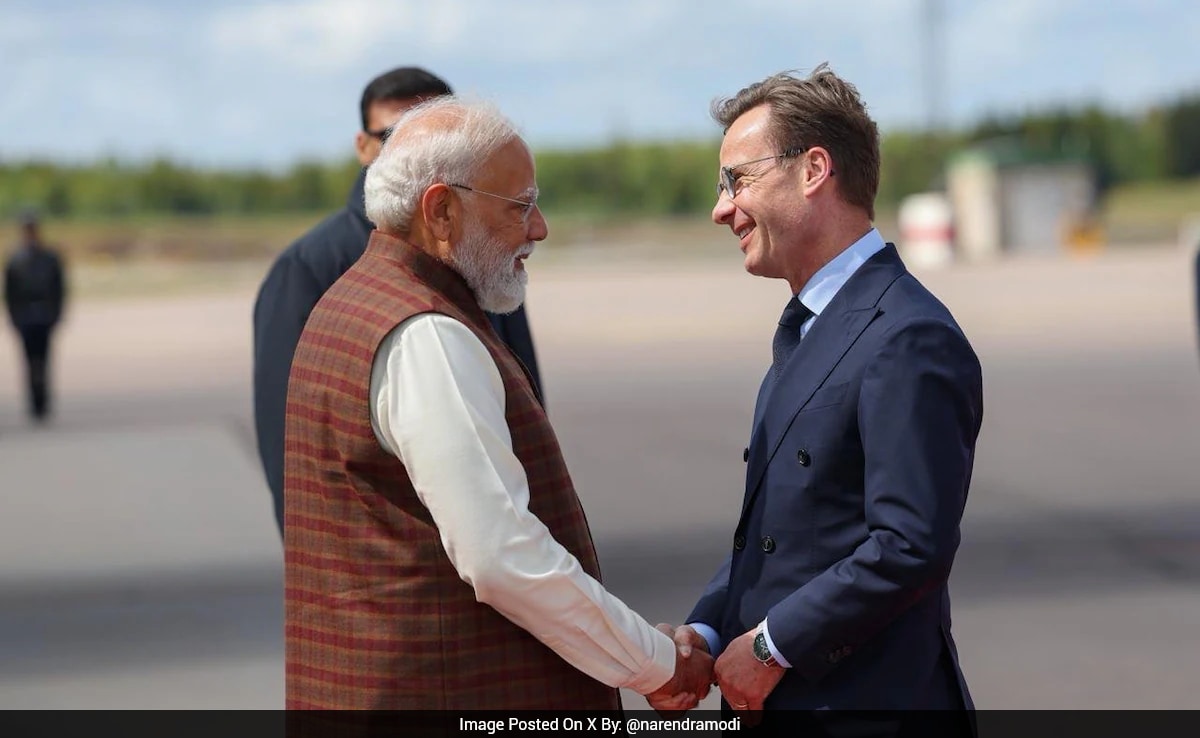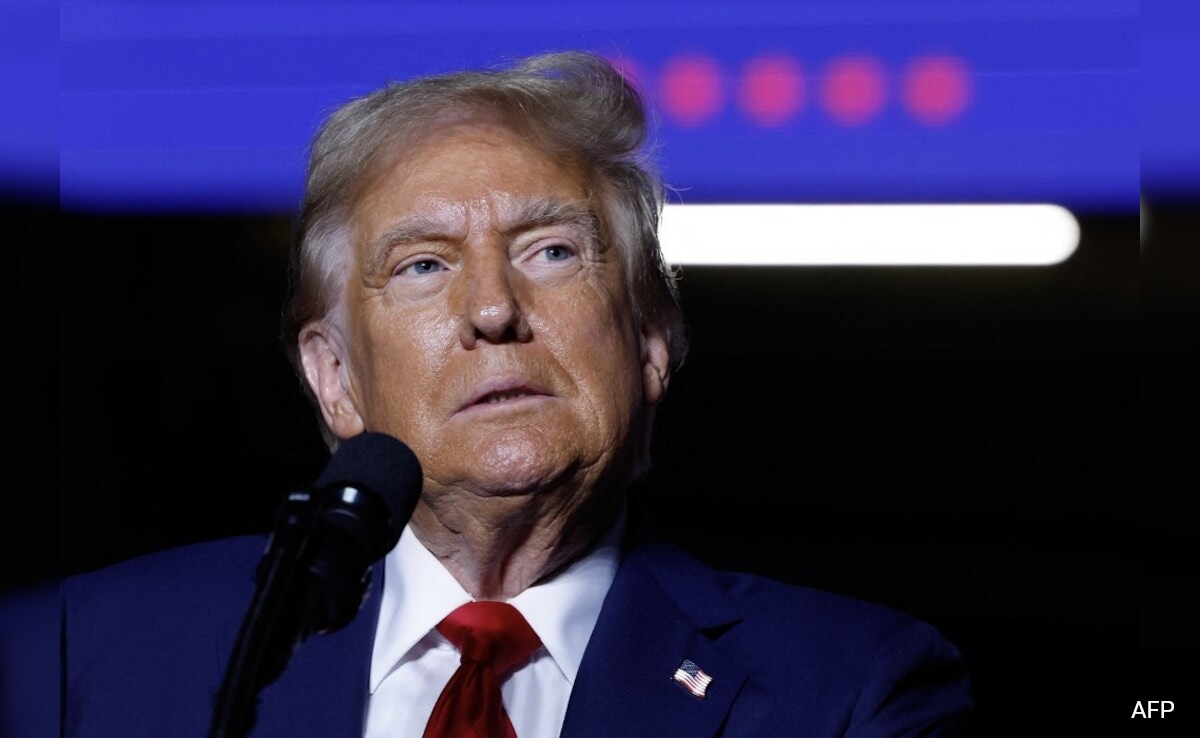
The media is swallowing Donald Trump’s latest Truth Social outburst whole. After a phone call with Israeli Prime Minister Benjamin Netanyahu, Trump blasted out a warning that the "Clock is Ticking" and that if Tehran doesn't sign a peace deal immediately, "there won't be anything left of them." The mainstream press handles this with the standard, predictable playbook: cue the panic, sound the alarms on "Iran War 2.0," and analyze the statement as if it is a literal blueprint for total annihilation.
They are missing the entire game.
I have spent decades analyzing geopolitical risk and capital flows through regions facing extreme stress. If there is one thing I have learned from watching billions of dollars move under the threat of conflict, it is this: when a political leader threatens absolute destruction, they are usually hiding the fact that they cannot afford the cost of a minor scuffle. Trump's apocalyptic rhetoric isn’t a prelude to total war. It is a desperate attempt to force a liquidation sale before his own economic leverage expires.
The Flawed Premise of the "Total Destruction" Myth
The current media narrative assumes that the United States can simply choose to erase a nation of 85 million people from the global equation without blowing up its own economy. This is a massive analytical mistake. The consensus views Trump’s rejection of Iran’s latest peace proposal—reportedly tossing it out after reading the first sentence—as a sign of absolute dominance. In reality, it reveals a profound weakness in the American negotiating position: Washington is running out of non-military options, and the military option is completely unviable.
When Senator Lindsey Graham goes on television demanding that the US military strike Iranian energy infrastructure to "hurt this regime," he is operating on an outdated 1990s playbook. Hitting Iran’s energy grid doesn’t just hurt Tehran; it triggers an immediate supply shock that echoes across Western markets. Trump himself admitted last week that he was not thinking about Americans' financial health "even a little bit" when making these decisions. That is a classic negotiation bluff. A president whose political survival is tethered to domestic economic performance cannot ignore the domestic fallout of a closed Strait of Hormuz.
The Real Leverage: Bitcoin and the New Maritime Economics
While Washington talks about bombs, Tehran is quietly changing the financial infrastructure of global shipping. Iran recently launched a new maritime insurance platform for vessels transiting the Strait of Hormuz, allowing digital insurance policies to be paid in cryptocurrency, including Bitcoin.
This is the nuance the mainstream commentators miss. The battle is no longer about conventional embargoes. By bypassing traditional Western maritime insurance networks—such as Lloyd's of London—Iran is effectively decoupling its trade lanes from the US dollar-dominated financial system.
Conventional Sanctions Loop:
[Global Shipping] -> [Western Insurance (Lloyd's)] -> [US Dollar Clearing] -> [US Regulatory Control]

Iran's Crypto Decoupling:
[Global Shipping] -> [Tehran Digital Platform] -> [Bitcoin/Crypto Settlement] -> [Bypassed Sanctions]
When you understand this structural shift, Trump’s frantic "time is of the essence" warning makes sense. The clock isn’t ticking for Iran; it is ticking for the efficacy of American sanctions. Every week the Strait of Hormuz remains under tighter Iranian control with independent financial rails, the less power the US Treasury holds.
The Myth of the Internal Collapse
Another lazy assumption driving Western policy is that economic pain will inevitably lead to a popular uprising that overthrows the regime. Former US Defense Secretary Robert Gates recently pointed out the flaw in this thinking, noting that Iran's internal controls remain heavily intact despite a 79-day internet blackout and severe domestic strain.
Hoping for an internal collapse is a lazy strategy. Severe economic blockades do not create democracies; they consolidate state control over scarce resources. The Revolutionary Guard does not weaken during a blockade; it becomes the sole distributor of goods, making the population entirely dependent on the state for survival.
The High Cost of the Contrarian Reality
Let's be clear about the downside of this perspective. If Washington’s threats are exposed as a bluff, the risk is not peace—the risk is a complete collapse of American deterrence. If Iran successfully normalizes its crypto-based maritime insurance and maintains its shipping tolls through the Strait of Hormuz, the template for bypassing Western financial hegemony will be verified for the entire world to see.
The Western establishment thinks the conflict is about uranium enrichment levels and ceasefire terms. It isn't. It is an infrastructure war. Trump is shouting because he sees the concrete closing around a new parallel financial architecture, and no amount of high-decibel rhetoric on social media can blow up a decentralized ledger.
Stop analyzing the theater of the threats. Look at the plumbing of the trade routes. The side building the new infrastructure is the one playing the long game, while the side relying on the microphone is merely running out of time.